Why We Preheat Borosilicate Glass Before Cutting
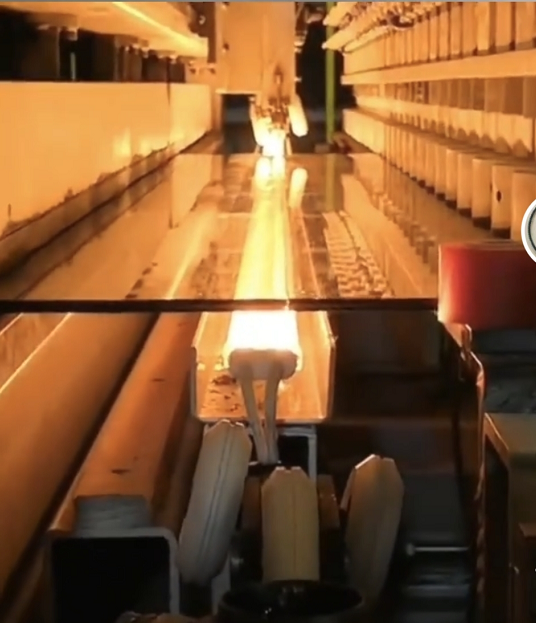
If you’ve ever tried cutting borosilicate glass at room temperature, you know the frustration. One minute everything looks fine, and the next, you’ve got unpredictable chipping or those annoying “corner blowouts” that ruin a perfectly good piece. It happens because the glass is basically fighting back. There’s internal stress in the material that resists the score, making the break messy. To fix this, we use short-wave infrared lamps. We hit the glass with a blast of heat right before the cutting head makes contact.
Making the glass “behave”
Think of it as relaxing the material. The infrared light sinks into the surface and brings the temperature up just enough to lower the viscosity. It eases that surface tension. When the diamond blade finally hits, the glass doesn’t fight. It fractures in a straight, clean line. **The result?**Way fewer chips. And because the edges come out so clean, you spend a lot less time grinding them down later. It just makes the whole process feel smoother.
How we actually set it up
We usually go with high-density quartz halogen lamps. Why? Because they heat up fast. If you’re running a conveyor line, you can’t be waiting around for a slow oven to warm up. Borosilicate is tough and doesn’t expand much with heat, so you need a lot of power packed into every centimeter to actually get the energy inside the glass. We tie the lamps into a PID loop to keep things steady. If you speed up the line, you’ve got to bump up the wattage or move the lamps closer. If you don’t, the glass cools down, and you’re right back to square one with those jagged edges.
The tricky parts
It isn’t all plug-and-play. These lamps put out a massive amount of heat, and not all of it goes into the glass. Your housing and reflectors take a real beating. If you skimp on the cooling fans or water-jackets, you’re asking for trouble. Overheating will warp your brackets or kill your lamps way sooner than they should die. And please, get your alignment right. If the lamp is tilted, you’ll get hot spots. Those uneven temperature jumps can actually create new stress in the glass, which completely defeats the point of preheating in the first place.