Stopping Glass from Shattering: The Truth About Thermal Shock
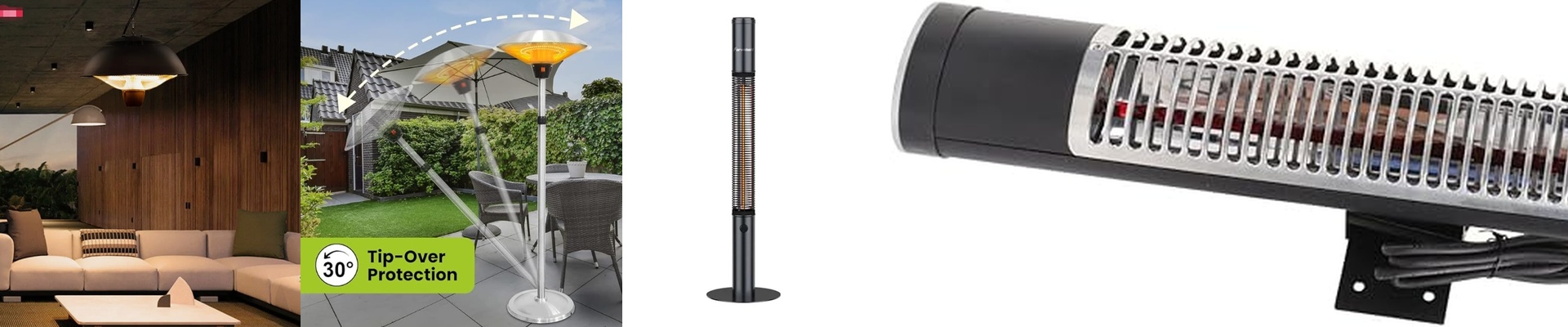
When you’re tempering glass, it’s all about that sudden jump in temperature. You need to create internal stress, but there’s a catch. If you’re too slow or if the heat hits the glass unevenly, the whole piece just shatters. It’s frustrating and expensive. That’s why we stick with quartz infrared lamps. They give you that “flash-heating” effect—immediate energy that gets the job done without the guesswork.
Speed is Everything
Here is the cool part about the physics: infrared radiation moves at the speed of light. Compare that to old-school resistive heating elements that just hang onto heat like a sponge. With quartz lamps and a decent SCR controller, you have total control. You dial back the power, and the heat flux dropsright now. It’s fast. Really fast. And that’s how you stop thermal shock in its tracks. You can crank the energy up to hit that glass transition temperature and then kill the power the exact second you hit your mark.
The Gear Under the Hood
We use high-purity quartz tubing for the tungsten filaments because it doesn’t warp when things get screaming hot. Plus, these lamps pack a lot of wattage into a small space, so your oven doesn’t have to take up the whole shop. One heads-up on the build: these things pull a lot of current. Make sure your wiring can actually handle the peak load. And please, check your contact points. A loose connection at the lamp base will arc, and before you know it, you’ve burnt out your socket.
The Trade-off
Nothing is perfect. Because these lamps are so powerful, they dump a massive amount of ambient heat into the oven chassis. You’ve got to be aggressive with your cooling fans and ventilation. If you skimp on the airflow, your control electronics will start to cook. The lamps will keep glowing, sure, but your sensors will start to drift. That’s when your tempering becomes inconsistent, and you’re back to square one.