

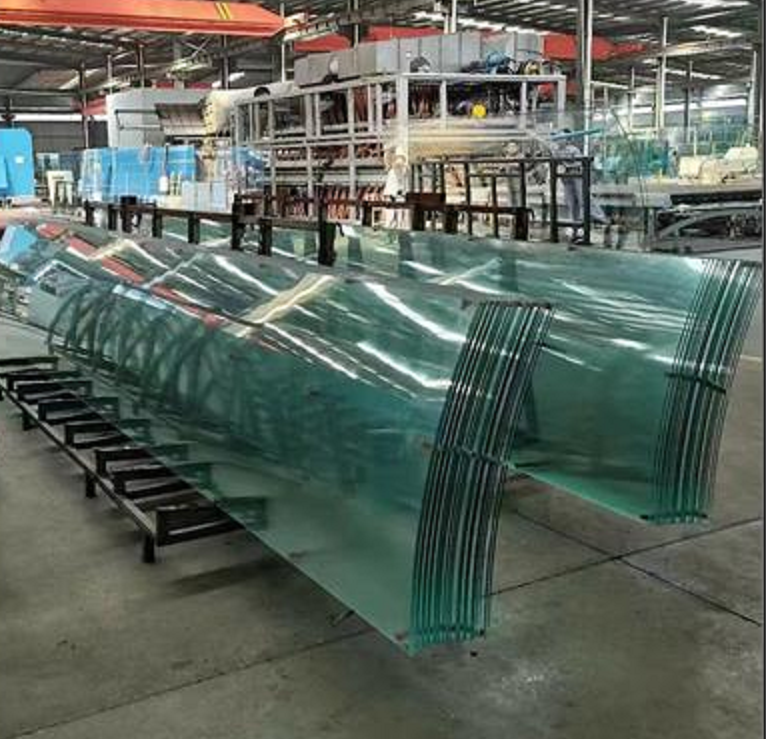
If you’ve ever tried cutting ultra-thick glass, you know the struggle. It’s a nightmare. Your cutter wheels wear out way too fast, and the glass has a habit of cracking in places you didn’t intend. It’s frustrating and, frankly, expensive. We found a way around this by using high-penetration infrared (IR) lamps to warm up the cutting path. Now, I’m not talking about heating up the entire slab of glass—that would be a waste. We’re talking about a targeted hit of heat right where it matters. Here’s the secret: standard long-wave IR just doesn’t get the job done for thick glass. It stays on the surface. We use short-wave lamps because they actually sink deep into the material. When that energy hits the cutting line, it relaxes the internal stress of the glass. The material softens just a bit. Suddenly, the cutter wheel isn’t fighting a cold, rigid wall of glass; it just glides through. And your tools? They’ll actually last. Cutting cold, thick glass is brutal on diamond edges. They chip. They dull. They die. By putting an IR lamp right in the cutting head, you kill that mechanical resistance. We’ve seen a huge drop in how often wheels need to be swapped out. Plus, the score is cleaner, and the break is actually predictable. But look, it’s not as simple as just bolting a lamp onto a frame. These lamps put out an incredible amount of heat. If you aren’t careful, you’ll fry your electronics or warp your guide rails. You need heat-resistant alloys for the housing and a cooling system that actually works. If your airflow is sloppy, you’re going to have problems. You also have to get the timing right. The heat needs to hit the glass exactly as the head moves. If the ramp-up is too slow, you’ll end up with cold spots and those jagged, ugly edges. One last tip: keep those lamps spotless. A little bit of dust or residue on the quartz tube creates hot spots, and that’s the fastest way to burn out a lamp. Keep them clean, and they’ll keep working.