
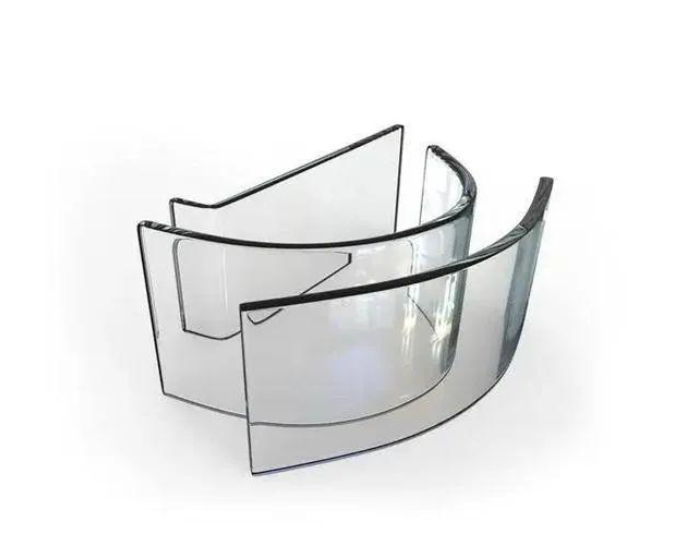
Getting Your IR Heating Right for Glass Silk-Screening
If you’re trying to handle annealing right after silk-screening, you’ve probably noticed it’s a bit of a balancing act. You need enough heat to fuse the ink and get rid of those internal stresses, but if you go overboard, your patterns blur and your glass warps. It’s a tight window. That’s why we lean on short-wave IR lamps. They’re the best tool for hitting that sweet spot.
Keeping Your Patterns Sharp
The secret to a clean pattern is all about how the surface heats up. If you’re too slow, the ink just sits there. Too fast? It bleeds. Short-wave IR is great because it doesn’t just sit on the surface; it penetrates the glass to hit the ink layer directly. This lets you get the temperature up quickly without making a mess. But you can’t just crank the power. You have to play with the wattage and your conveyor speed. Sure, high wattage means you can push more glass through the line, but you risk burning out those fine lines in your artwork. I always suggest tweaking the lamp height and power until the glass hits the annealing point—but stops just before the pigment starts to degrade.
Dealing with Stress and Cracks
The whole point of annealing is to kill off the residual stress from printing and handling. But here’s the catch: if the glass cools down too randomly, you’re just creating new tension points. You want a uniform thermal footprint. No gaps. No surprises. When the heat isn’t spread evenly, you get “cold spots.” Those are the danger zones. That’s exactly where your glass is going to crack once it hits the tempering stage. To stop that from happening, we use a staggered lamp array. It fills in the blanks and keeps everything consistent.
The Trade-offs
Now, you could go with high-density IR arrays to get your cycle times down. It’s fast. Really fast. But that puts a massive strain on your power supply and your cooling fans. If your ventilation can’t handle the heat buildup, your lamp housings will cook, and your filaments will burn out way sooner than they should. It really comes down to a choice: do you want raw speed, or do you want your equipment to actually last?