
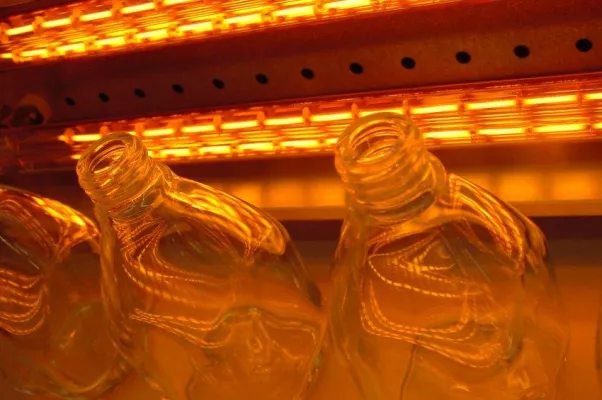
Stop Fighting With Your Glass Preheating Lamps
If you’ve spent any time on a glass cutting line, you know the drill. You need that surface at just the right temperature before the score, or you’re looking at jagged edges and fractures that kill your yield. Shortwave infrared lamps do the heavy lifting here, but let’s be honest: the actual heat isn’t the problem. The real nightmare? Trying to swap out a dead lamp.
The “Fitting” Headache
Most of these systems are a mess of spiral heads, pin-bases, and those weird, custom interfaces that seem to change every time a new machine hits the floor. There is nothing worse than a lamp burning out and realizing you have to practically rebuild the mounting bracket just to get a replacement in. We got tired of that. So, we built our lamps to just… fit. Whether you’re dealing with standard screw-ins or some proprietary shape that makes no sense, our lamps are designed to drop right in. No messing around with the footprint. No hacking together custom adapters that leave air gaps and kill your heat efficiency. You just put it in and get back to work.
A Couple of Things to Watch Out For
Now, “universal fit” doesn’t mean you can ignore the physics of power. If you’re moving up to high-wattage quartz tubes to handle thicker glass, you’re pushing more current through those electrical contacts. Before you swap, take a quick look at your wiring gauge. If the cables are too thin, they’ll start to overheat right at the connection point. Not a great look. But the actual install? That’s the easy part. We stripped out all the nonsense. No drilling, no welding, no swearing at a manual. Just slide the lamp into the socket, lock it down, and you’re running again in minutes.
Keeping It Running
These lamps are built for the grind of an industrial line, but they aren’t magic. For the best results, keep the lamp centered. If it’s off-kilter, you’ll get hot spots that mess with your cut. Also, keep an eye on your cooling fans. If they get clogged with dust, the housing gets way too hot and can bake your connectors. Keep the air moving, and the hardware will take care of itself.