Stop Messing Around with Single Lamps
Let’s be honest: buying single infrared lamps is a headache. You get the bulbs, but then the real work starts. Your assembly team spends hours bending brackets, fighting with wiring, and trying to figure out why some spots are scorching while others stay cold. It’s a slog. We figured there was a better way. Instead of sending you a pile of parts, we buildintegrated, curved heating modules. Think of them as “drop-in” replacements. You plug them in, and you’ve got a working thermal zone immediately. No guesswork, no frustration.
Why the curve actually matters
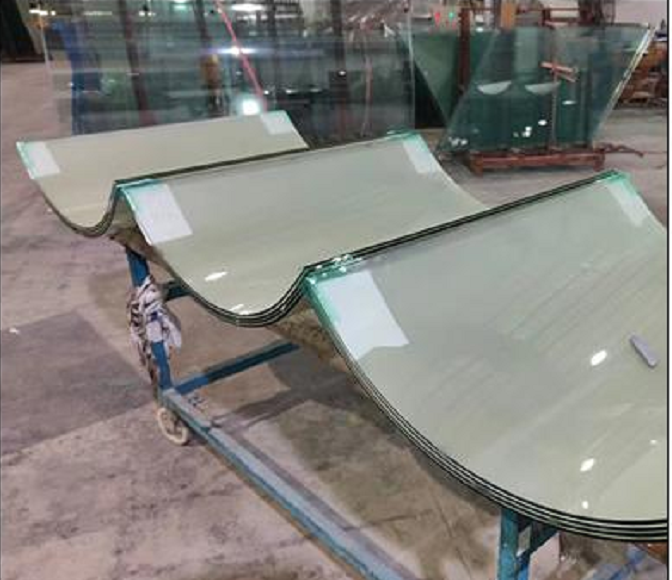
If you use a straight lamp, you’re fighting physics. You end up with a massive hot spot right in the middle and cold edges. Not great if you’re trying to avoid warping your parts during annealing. So, we bend the quartz envelope and lock it into a precision frame. This spreads the heat out evenly across the whole piece. Now, a quick heads-up on power. High-wattage tubes get things hot fast, but they can be hard on your power supply. Just make sure your controllers can handle that initial surge when you flip the switch—otherwise, you’ll be replacing fuses before you’ve even started.
The nuts and bolts
We don’t cut corners on the hardware. We use high-purity quartz and halogen gas fills so the filaments actually last. Depending on what you’re heating, we can tweak the coatings to change the wavelength. If you need the heat to soak deep into the material, we go with shortwave. If you just need to hit the surface, medium-wave is your best bet. And because nobody likes soldering on a greasy shop floor, we use industrial-grade connectors (like R7s or Sk15). Everything is pre-tested for insulation resistance before it even leaves our door.It just works.
Less time tinkering, more time producing
When you switch to a module, the installation time vanishes. You don’t have to obsess over the exact angle of the lamp because the module just locks into place. It takes the “human error” out of the equation. Sure, the modules take up a bit more room than a bare tube. You’ll need a little more physical clearance. But when you see how much more consistent the heat is—and how much faster your team gets the line running—that extra bit of space is a trade you’ll be happy to make.