Stop Fighting the Damp: A Better Way to Heat Changing Rooms
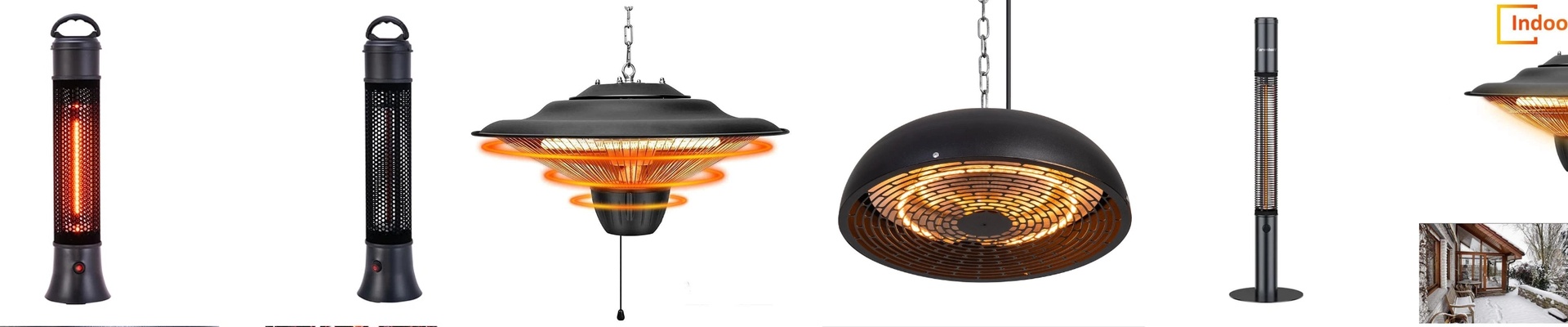
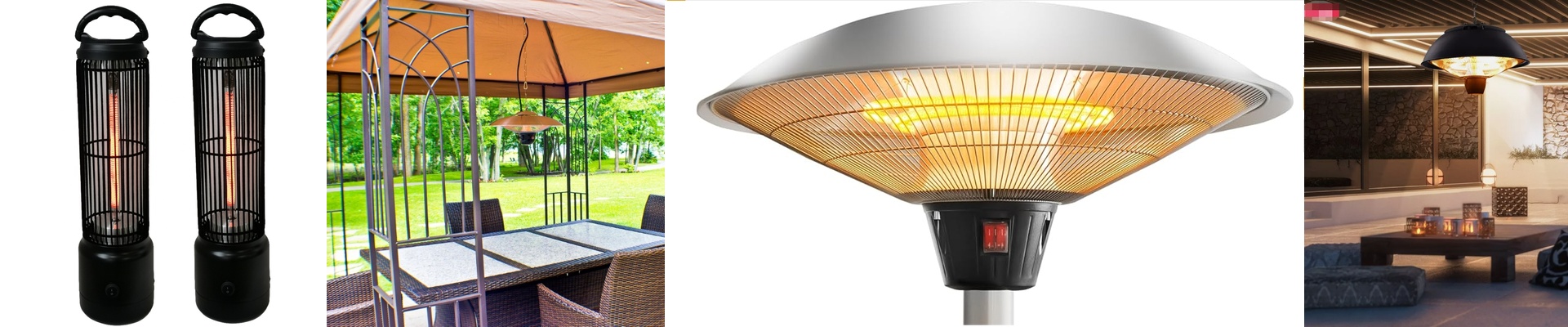
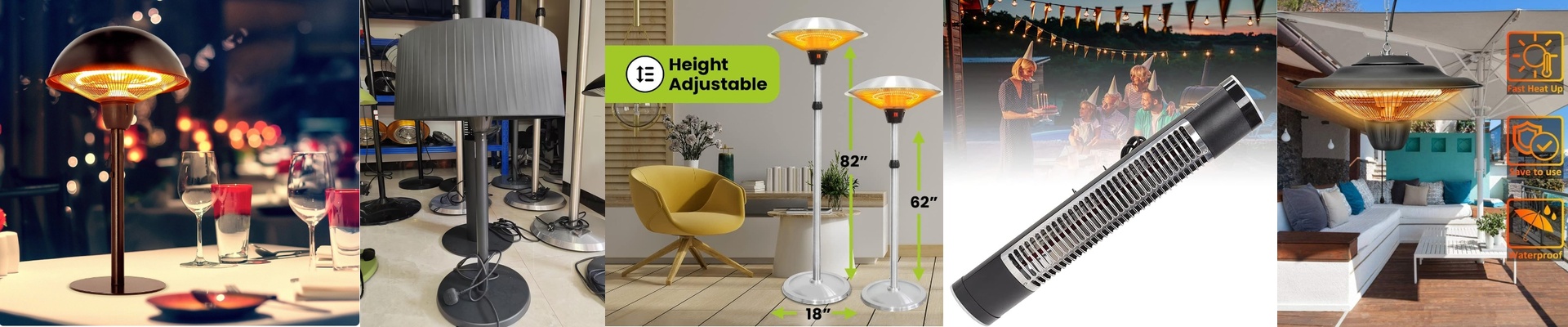
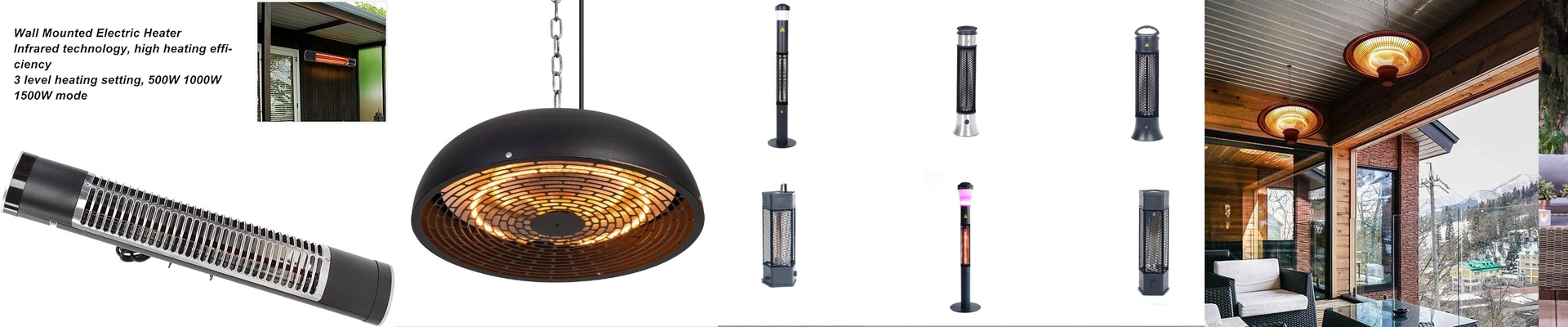
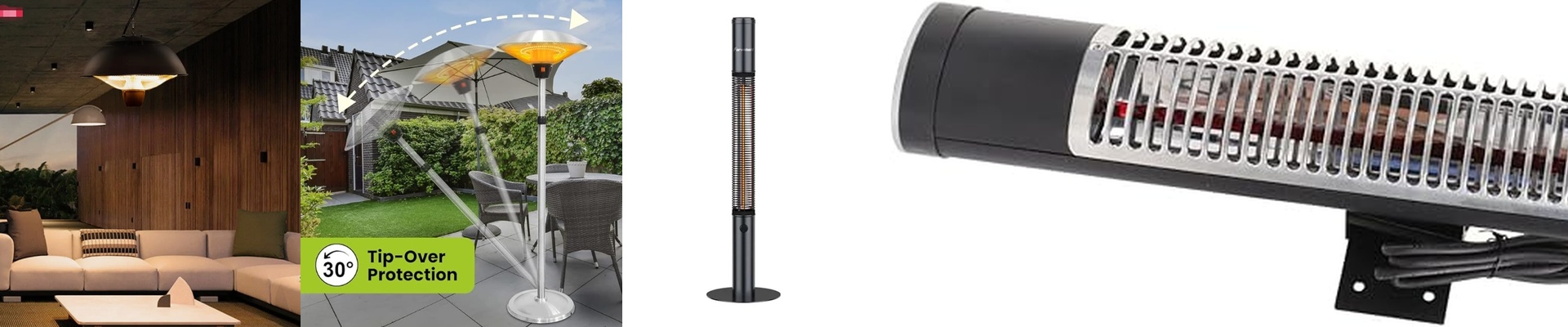
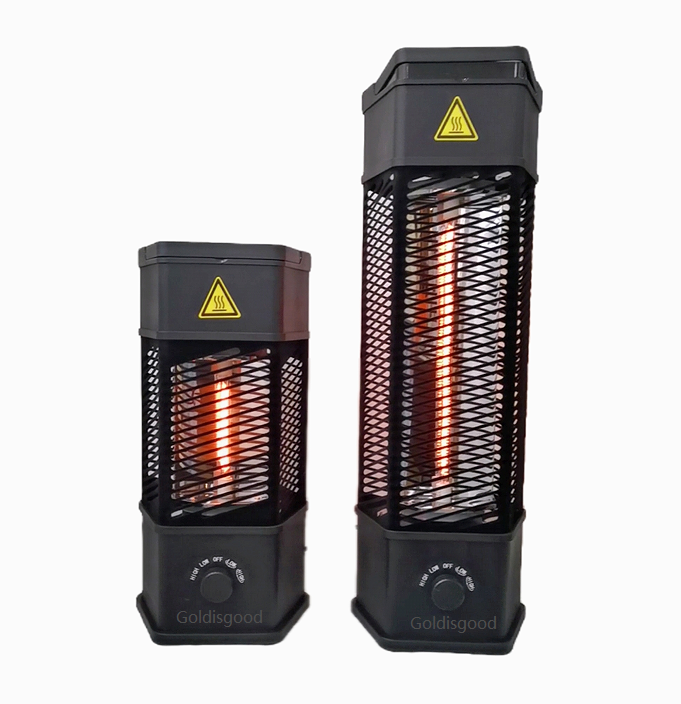
Let’s be honest: changing rooms and locker areas are a nightmare to heat. You’ve got high humidity, steam everywhere, and people who are freezing the second they step out of the shower. If you try to use a standard heater, you’re basically wasting money. Those things try to warm up the air, but in a wet zone, that air just vanishes through the vents or gets sucked dry by the damp walls. It never actually feels warm. That’s why we use short-wave infrared. Instead of fighting the air, infrared goes straight for the target. It sends heat directly to whatever it’s pointing at—your skin, a wooden bench, a towel. It’s like stepping into a beam of sunlight on a cold day. You feel it instantly. No more shivering while trying to get dressed. Of course, putting electronics in a steam room is a recipe for disaster if you aren’t careful. We use waterproof housings to keep the moisture out of the guts of the machine. You absolutely need an IP-rated enclosure here. If you don’t seal those elements and wires, the first big cloud of steam will short the whole thing out. And a quick tip on the electrical side: make sure these are on their own dedicated circuit with a GFCI. They pull a lot of power when they first kick on, and in a wet environment, you don’t want to be cutting corners with safety. Now, placement is where most people mess up. Infrared heat moves in a cone. If you mount the units too high on the ceiling, the heat loses its punch before it reaches the person. But if you put them too low? You’ve just created a “hot spot” that feels like a heat lamp at a buffet—uncomfortable and way too intense. We usually suggest staggering the layout on the ceiling. This way, the heat zones overlap, and you don’t get those weird cold gaps. One last thing to keep in mind: these units are great for people, but they aren’t great for walls. Once you flip the switch off, the room will get chilly again pretty fast because the air itself isn’t being heated. If you need the actual building to stay warm, you’ll still want a low-output HVAC system running in the background. The infrared just handles the part that actually matters—making sure your guests aren’t freezing.