Why Your Bathroom Heater is Doing More Than Just Keeping You Warm
Most people look at an infrared bathroom lamp and think, “Great, it’s a heater.” But there’s a lot more going on under the hood. When we design these things, we aren’t just trying to make the room feel cozy. We’re actually fighting a war against moisture.
The secret to drying things out
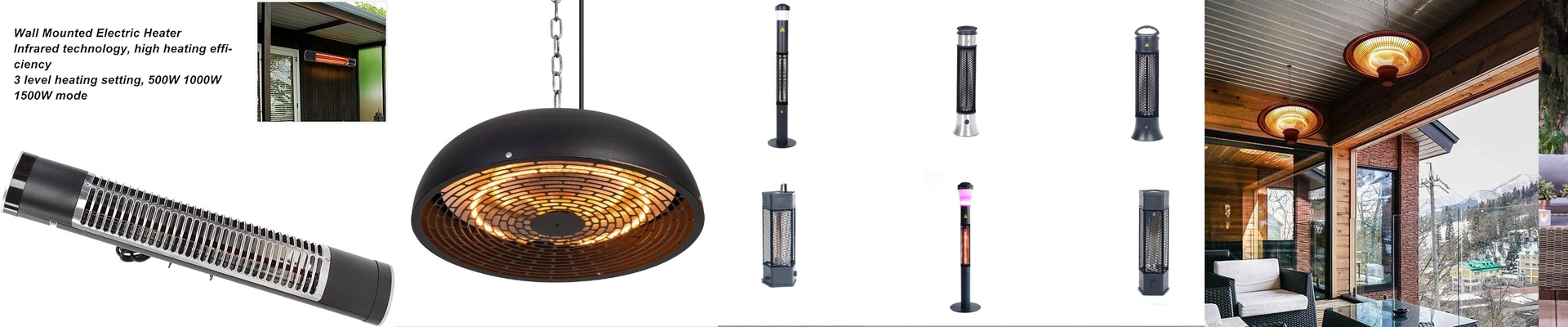
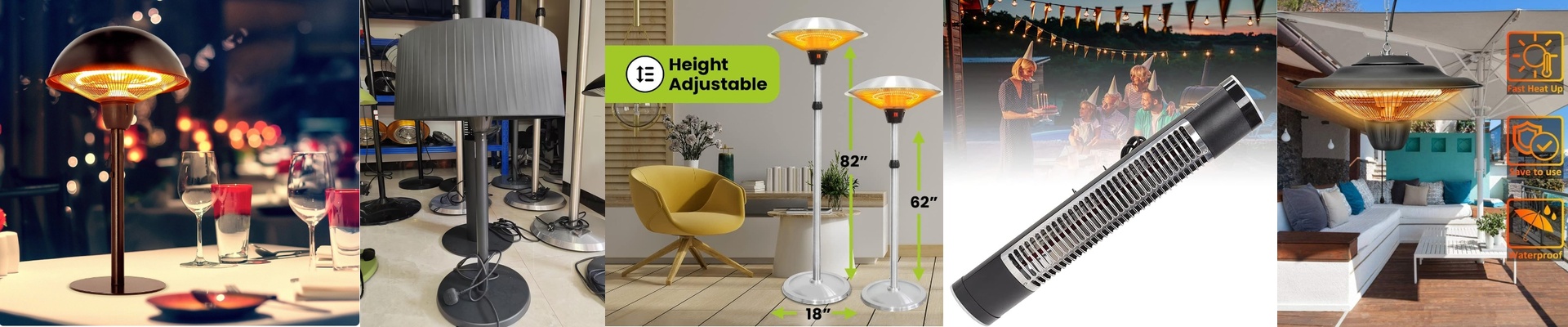
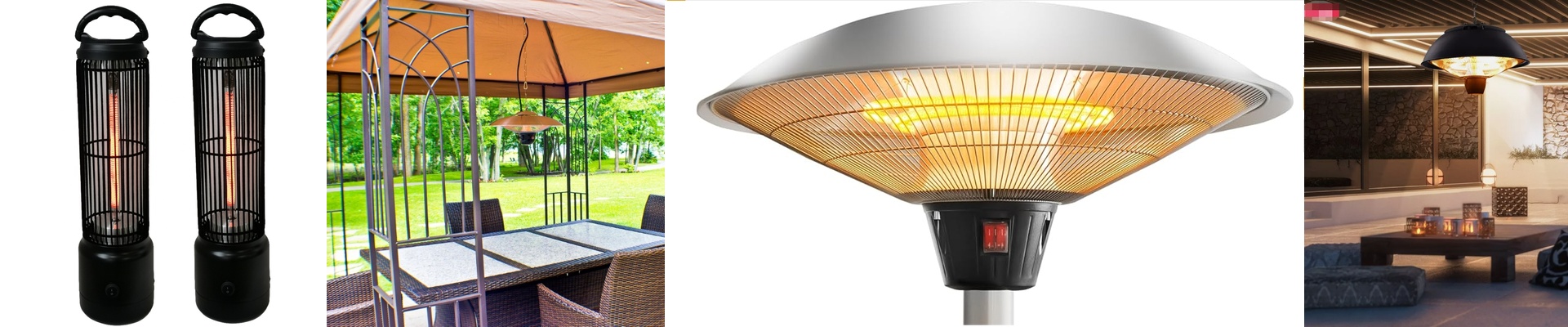
Here’s the thing: standard heaters just warm up the air. That’s fine, but it doesn’t do much for the damp walls or the soggy corners of your shower. We use short and medium-wave infrared emitters because they don’t care about the air. They shoot energy directly onto your tiles, floors, and ceilings. It’s like sunlight hitting your skin on a cold day. By targeting the water molecules themselves, the moisture evaporates way faster. And that’s the win. Dry surfaces are basically a “no-go zone” for mold.
Keeping the mold away
Mold loves those stagnant, damp spots where the air just sits still. It’s gross, and it’s hard to scrub out of grout. Our lamps are built to hit those dead zones with high-intensity heat. By keeping your tiles and grout warm—specifically above the dew point—condensation never even gets a chance to start. It’s a passive way to keep the room dry. You aren’t just heating the space; you’re stripping away the dampness that mold needs to survive. Your bathroom stays fresher, and you spend less time scrubbing.
A few tips on getting it right
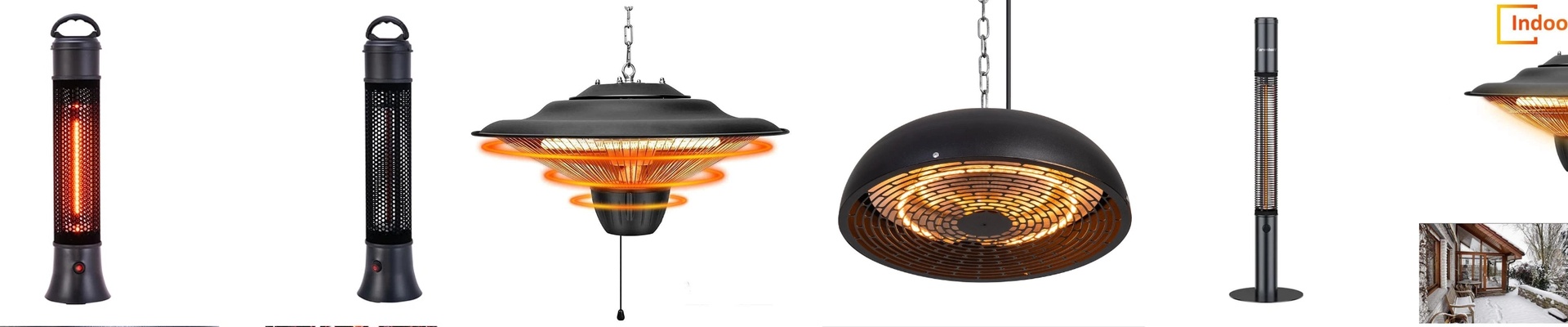
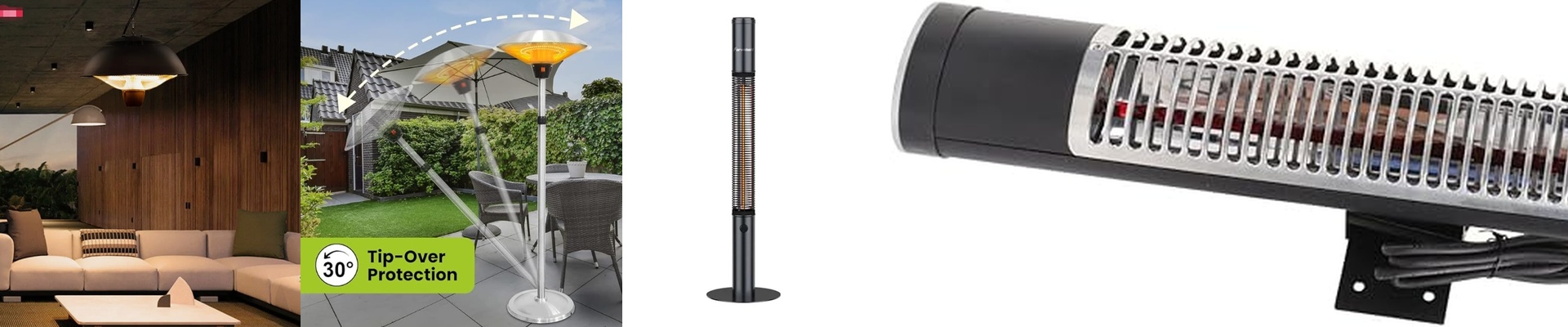
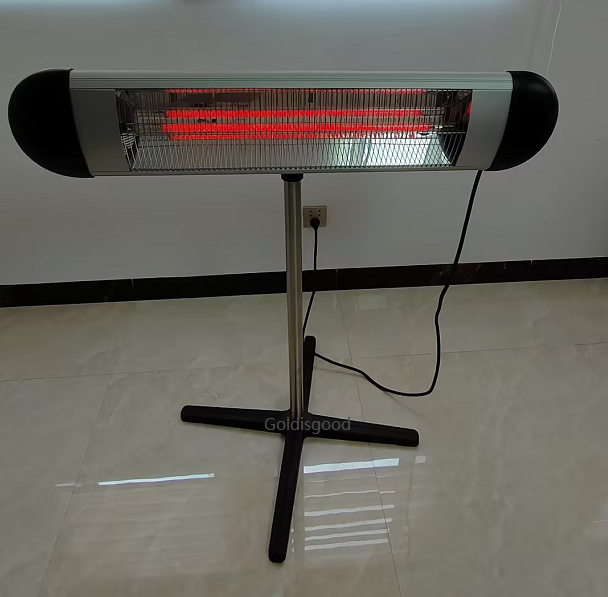
You can’t just slap these on a wall and call it a day. Placement is everything. If you mount the lamp too close to the ceiling, you might scorch the paint or trip the thermal safety switch. But if it’s too low? You’ll miss those upper walls where moisture loves to hang out. **Find that sweet spot.**You want the heat to spread evenly across the room. One last thing: if you go for a high-wattage lamp to dry the room faster, make sure your wiring can handle it. You don’t want to overheat your circuits just to get a dry bathroom.