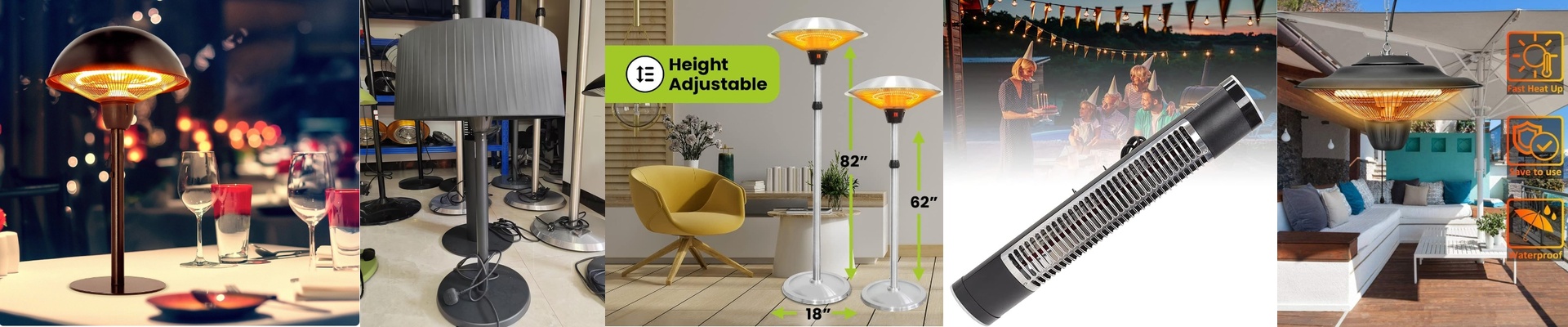
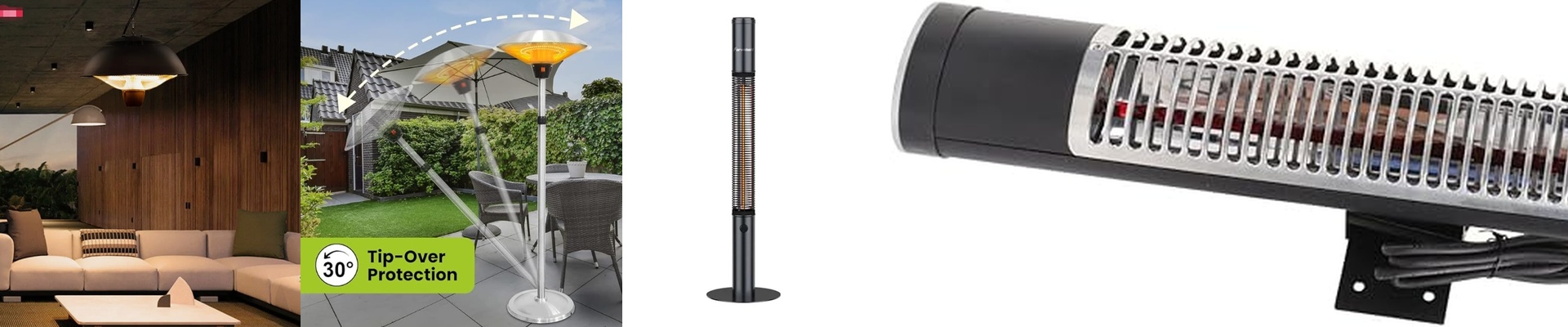
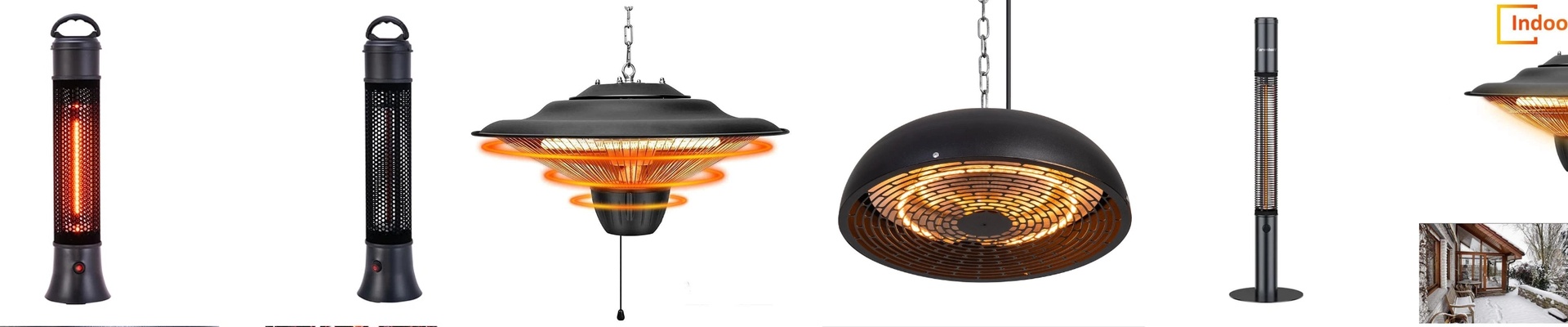
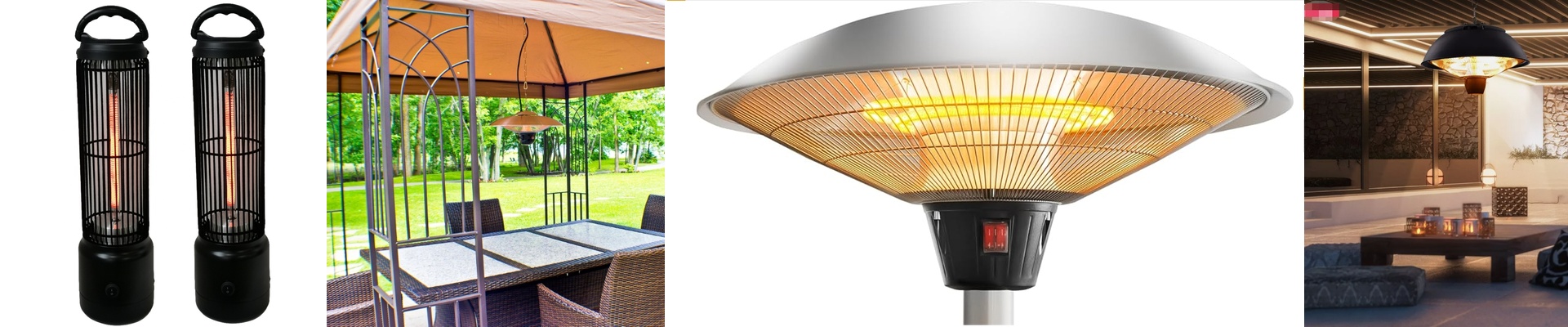
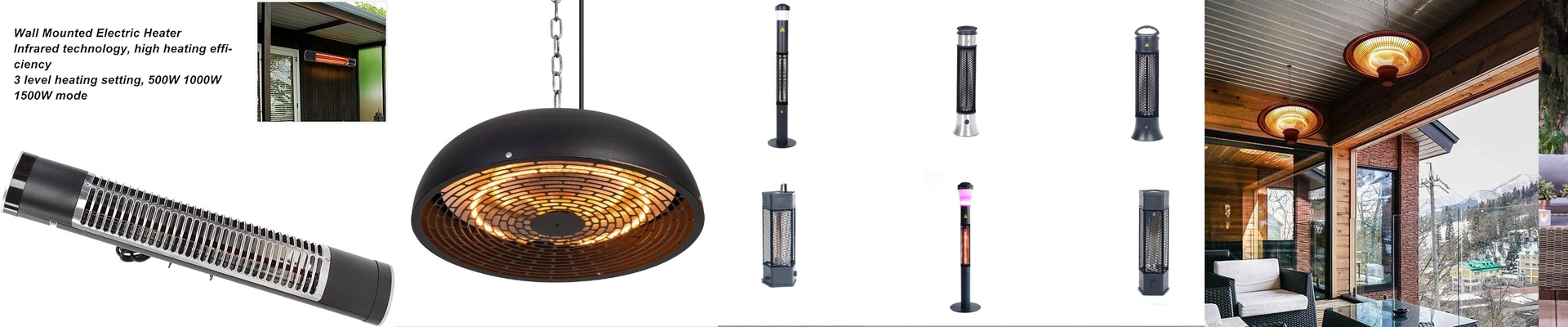
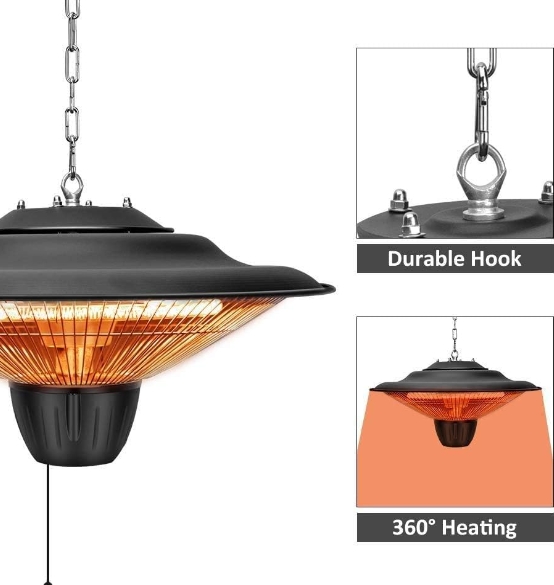
On a crisp evening, when the air turns sharp and the breeze cuts through layers, you flip on the infrared patio heater. Warmth hits your face, your hands, the chair under you—fast. And the air around you stays balanced, not dried out. That’s the quiet strength of radiant heat.
What’s actually happening under the hood
Infrared electric patio heaters warm the way the sun does—by going straight to objects and people, not the air in between. Inside, you’ve got a high-purity quartz tube or a carbon fiber element that throws short-wave infrared. That wavelength cuts through clothing and surface layers, so the warmth feels deep, starting right where you feel it most. Since the heater isn’t fighting to heat the air, moisture stays put. Many units are built for outdoors with an IP rating for water resistance, so light rain and splashes won’t kill the vibe. Throw in a thermostat, and you get steady comfort without the temperature swings.
Why this fits outdoor living
Outdoor time is about mood and flow. With an electric patio heater, heat comes on demand—no waiting, no drafts. The warmth lands on skin and furniture, not on the air, so relative humidity doesn’t tank. That means less static, fewer dry eyes, and a conversation area that stays comfortable. It also means energy is spent where it matters, keeping the spot cozy while the surroundings stay crisp. For homes that open onto a patio, it’s the difference between calling it a night too early and stretching the evening out.
The practical stuff—placement and safety
Placement matters. Mount the heater 6–8 feet above the floor, keep it at least 3 feet from combustible materials, and aim it to cover seating—not the empty sky. Plug into a grounded outlet and use a heavy-duty cord rated for outdoor use. In very damp spots, even a waterproof unit does better with some shelter under a roof overhang to cut down on condensation on the tube. And yes, infrared heat feels natural, but the front of the heater gets hot—keep it out of reach of kids and pets.