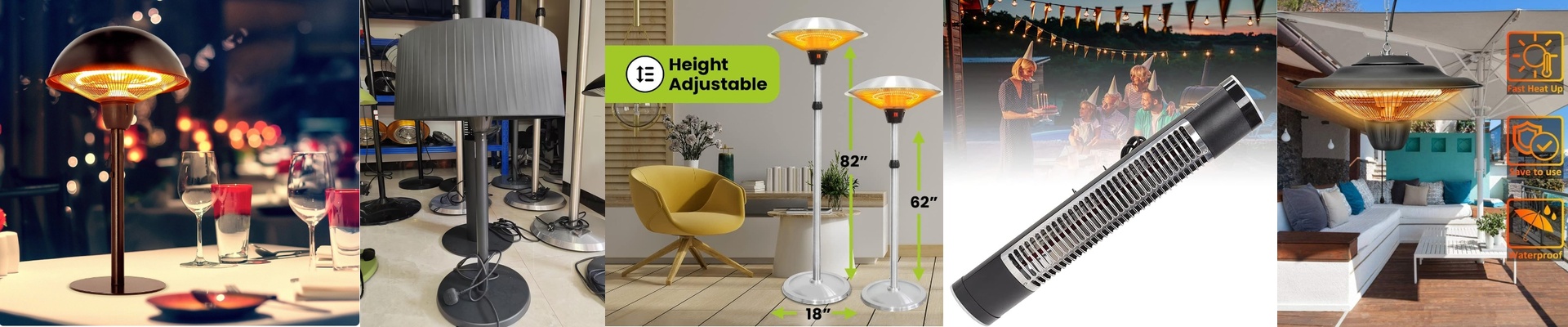
Keeping Your Outdoor Wet Zones Warm Without the Wait
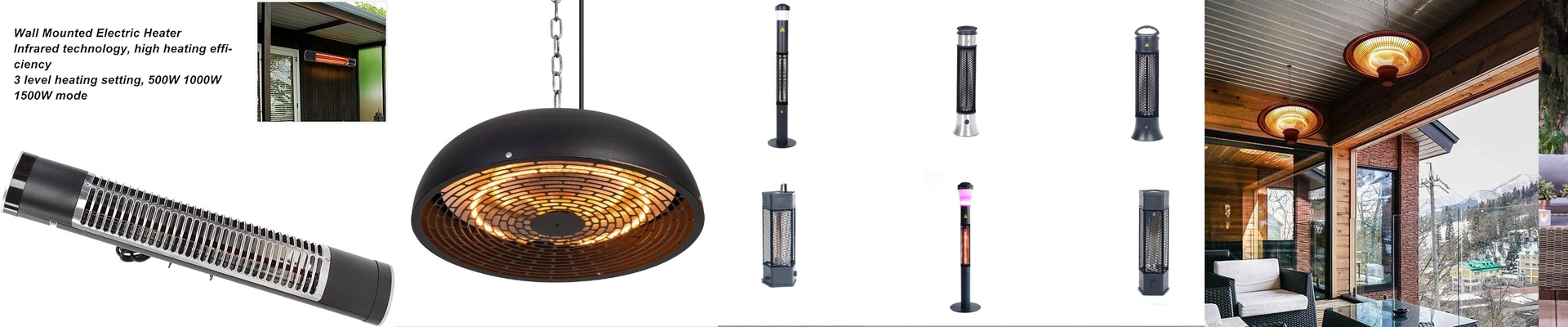
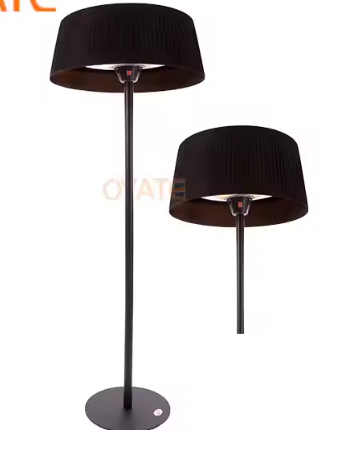
If you’ve ever tried to heat an outdoor lounge or a breezy patio, you know the struggle. Trying to warm up the air itself is a losing battle—the wind just carries it away before anyone even feels it. That’s why we don’t bother with convection. Instead, we use short-wave infrared. Think of it like the sun. It doesn’t warm the air; it hits you directly. You flip a switch, and you feel that warmth on your skin instantly. No waiting around shivering while a machine hums in the corner.
Dealing with Water (The IP66 Stuff)
When you’re putting heaters in “wet zones,” water is the enemy. One leak, one bad splash, and your electronics are fried. We built these units to an IP66 standard. In plain English? They’re sealed tight. Dust can’t get in, and you can practically blast them with a high-pressure hose from any angle and they’ll be fine. We use industrial gaskets and alloys that don’t rust, so whether it’s a sudden downpour or a heavy cleaning shift, the internals stay bone-dry.
Heat That Actually Hits
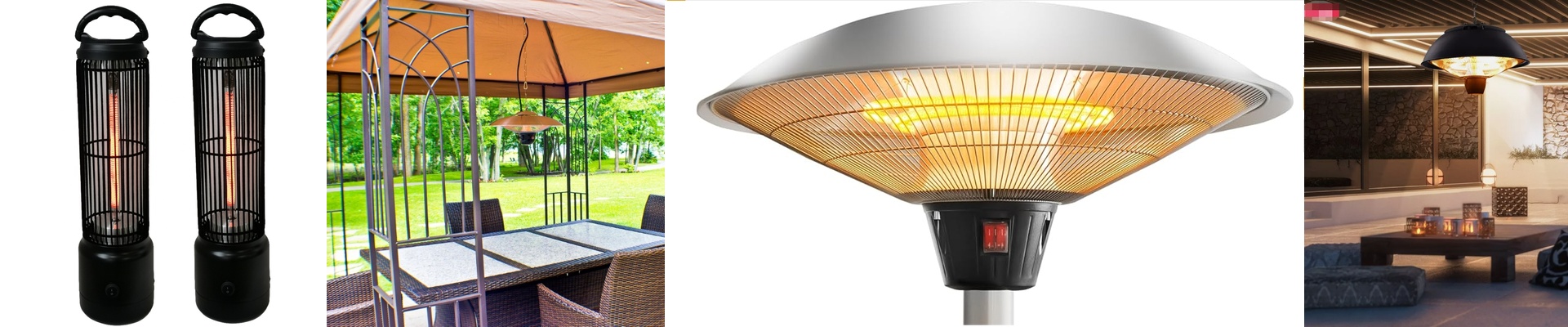
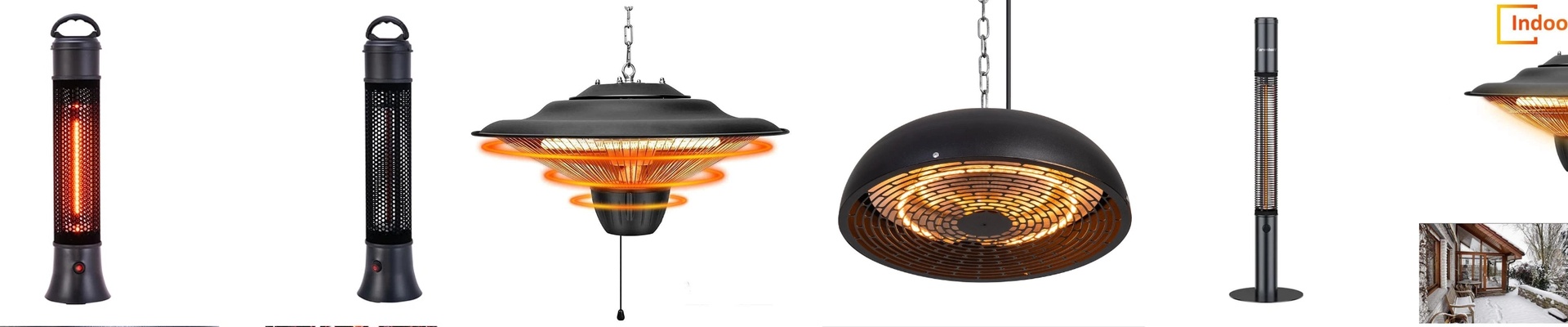
Most heaters have a “warm-up” period. Oil radiators, for example, take forever because they have to heat up the liquid inside first. Our emitters use quartz tubes. They’re fast. Really fast. You get raw, concentrated energy the second you turn them on. Plus, we’ve dialed in the wattage so the heat stays right where the people are. You aren’t wasting energy heating the fence or the sidewalk—just the guests.
A Few Things to Keep in Mind
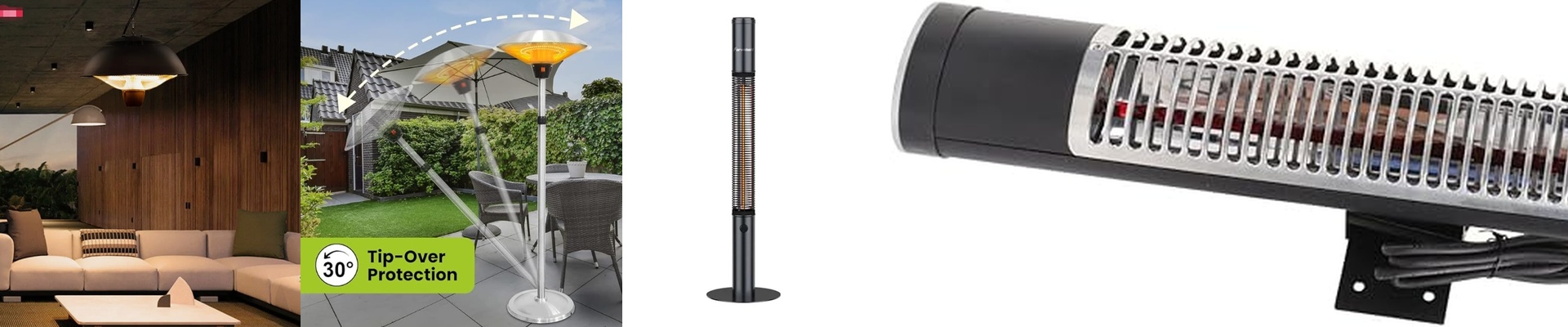
Now, these aren’t little desk lamps. They pull a lot of power. Before you install them, just make sure your wiring and breakers can handle the load. You don’t want the power tripping right when the party gets started. Also, a word of caution: these things gethot. Like, really hot. You’ve got to leave plenty of space between the heater and anything that could catch fire. And be careful with the height. Too low, and you’ll burn someone; too high, and you lose that instant cozy feeling. Find that sweet spot in the middle, and you’re golden.