




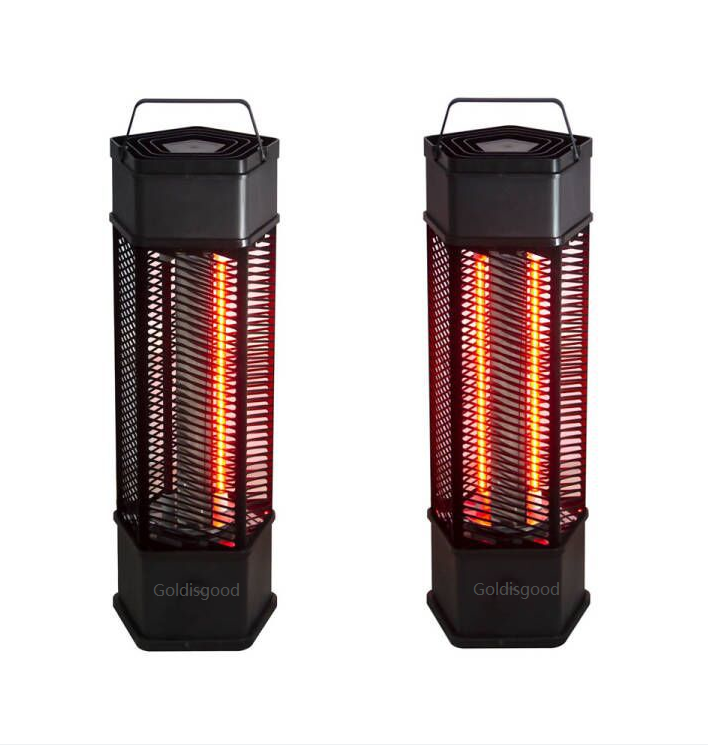
On the road, the cold doesn’t wait for the campfire to catch. In a tight RV layout, space is scarce and every amp matters. A heater that pulls hard but delivers little warmth is worse than useless—it drains the battery and leaves you shivering. We built our IP65 waterproof electric heater around that reality, using radiant infrared to warm people and objects directly, not the thin air around them. What matters under the hood is straightforward. The core is a high-efficiency infrared element that turns most of the input power into targeted warmth. You feel heat within seconds, instead of waiting for a fan-driven system to spin up. An IP65 waterproof enclosure keeps dust out and shrugs off splashes from rain, dew, and road spray, so it can live outside or in damp storage without corroding. Inside, the profile is low and the footprint is compact, so it mounts in corners, under benches, or near entryways where space is at a premium. We keep the controls simple—thermostat-style adjustment and safety features like tip-over protection—so it runs quietly and predictably when you’re off-grid. RV life runs on limited amp-hours, and comfort comes down to how quickly you can stabilize the cabin after a cold morning or a long drive. Infrared warmth heats what matters first: your body, your seat, and the surfaces around you. That means you can run the heater in short cycles, let the space cool slightly between bursts, and still stay cozy without flattening the battery. The IP65 rating adds confidence when the heater is mounted outside the living space, and the compact form keeps it from crowding your galley or entry. Here’s the thing with infrared: it heats surfaces directly, so the warmth feels strongest in your direct line of sight. Placement matters—mount it where you sit and aim it toward the common gathering spots. Also, while the IP65 housing is tough, it still needs a sheltered wiring path and a secure, dry mounting surface. Avoid direct, constant high-pressure spray. Match the unit to your available power and plug type, and if you’re running on battery, plan for the startup draw and the steady amp draw during operation.