
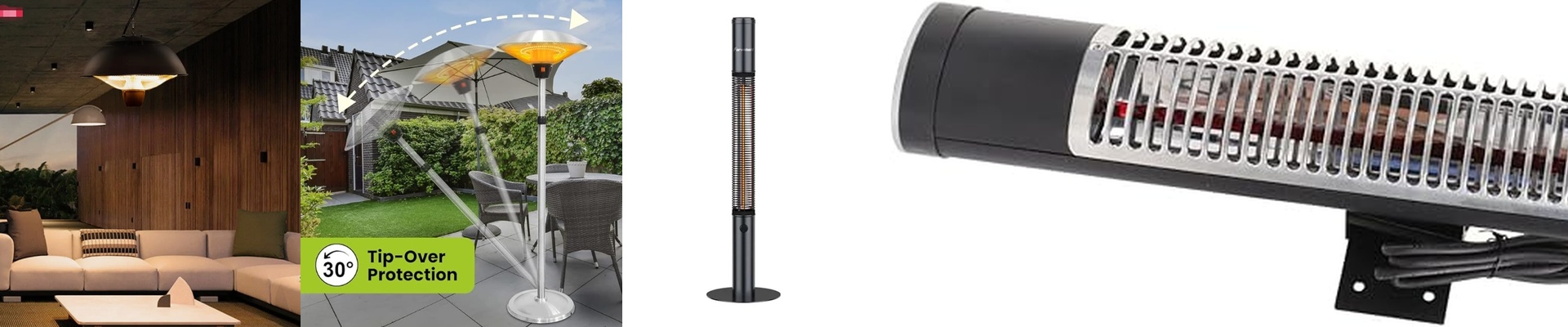
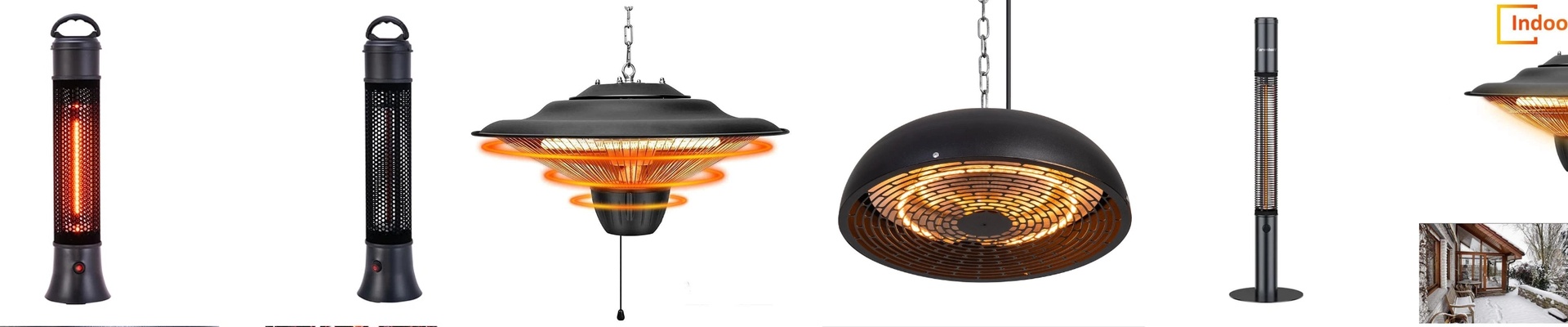
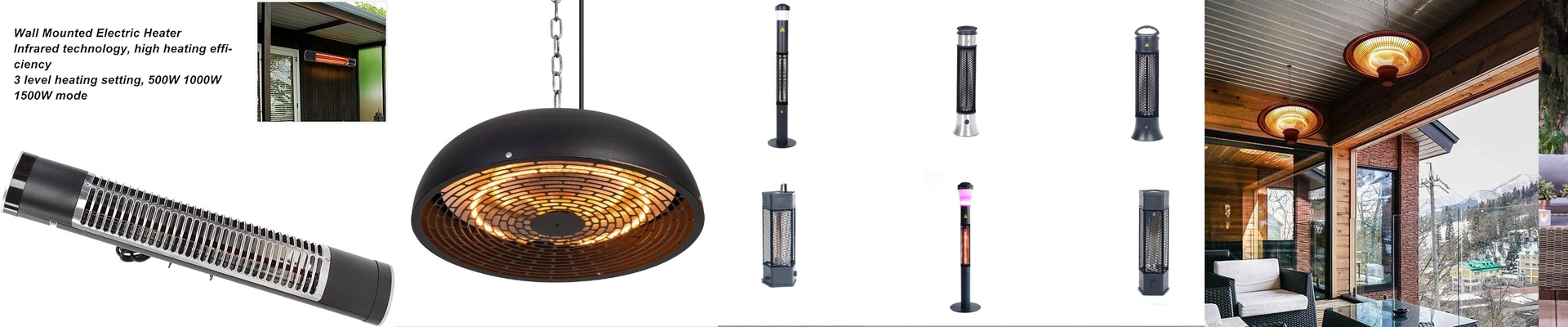
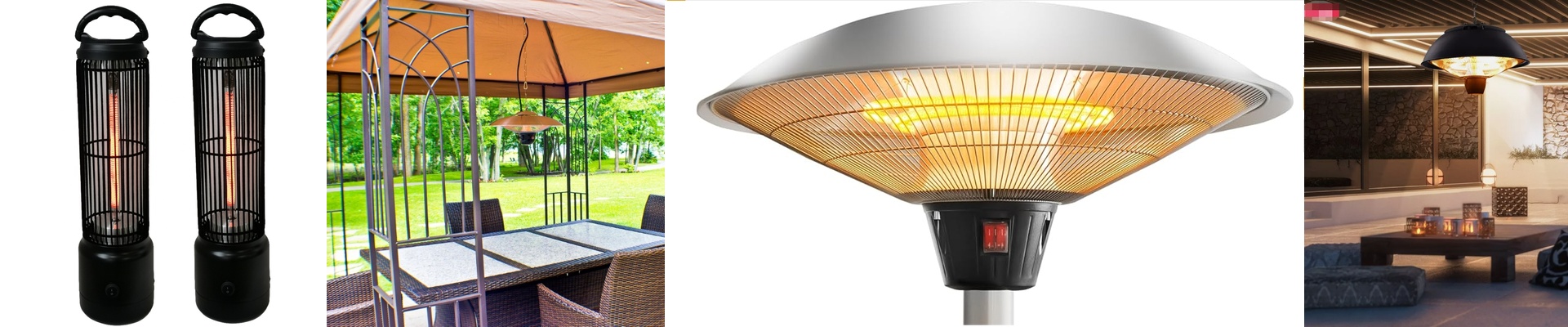
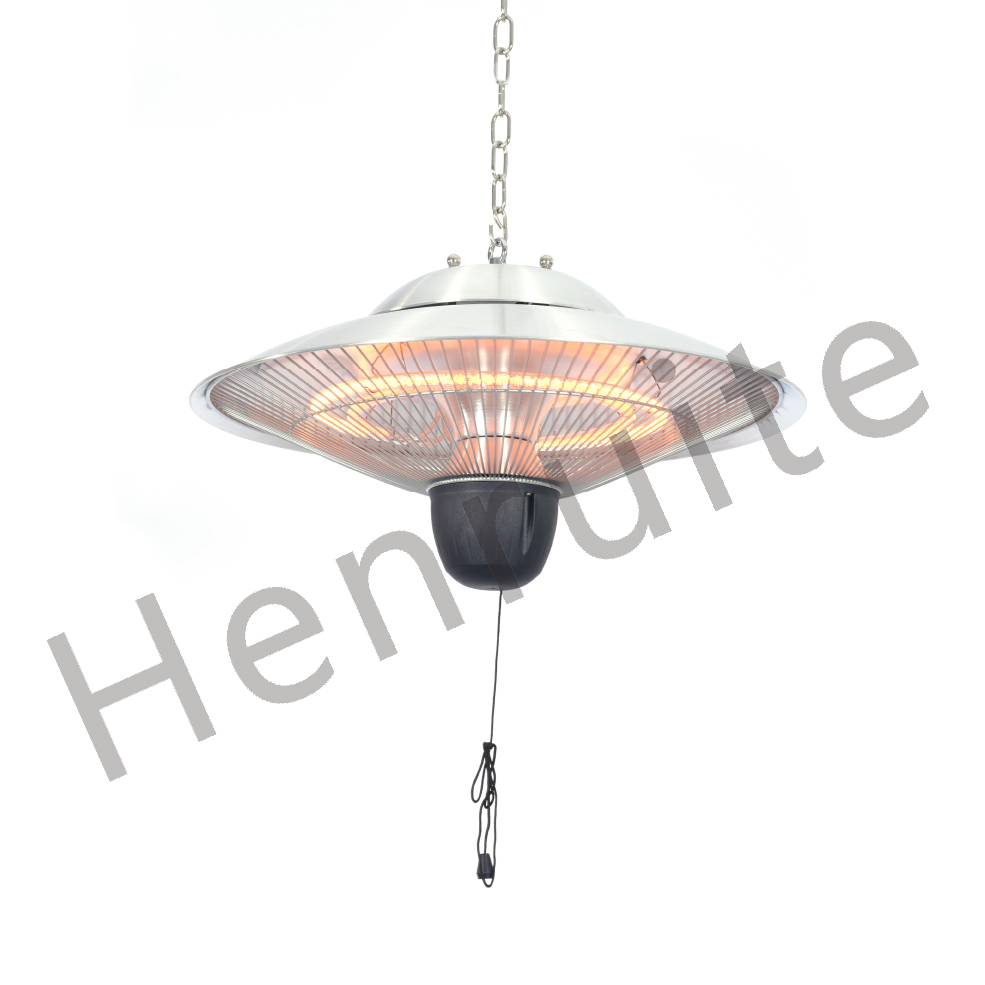
Why Your IP55 Heaters Actually Die (And How to Stop It)
Here is a little secret about IP55 infrared patio heaters: they rarely fail because the heating element gives out. Usually, the real trouble starts right where the wires enter the unit. When you’ve got a heater running at full blast, that heat doesn’t just go forward to warm up your guests. It creeps. It travels backward along the wiring. Most basic heaters just use a cheap rubber gasket to plug the gap. The problem? Constant heating and cooling makes those gaskets dry out and crack. Once that happens, moisture sneaks in. Then comes the short circuit. The slow burn I’ve seen this happen a hundred times with budget heaters. The wire insulation starts to get hard, then it flakes off. It’s basically thermal aging. If the seal is garbage, oxygen and humidity just speed up the rot. Eventually, the insulation vanishes, the live wire hits the metal chassis, and you’ve got a major problem. The professional way to handle this is with high-temp silicone or specialized epoxy. Instead of just “plugging a hole,” these resins bond the wire directly to the housing. It creates a tight seal that stops the “chimney effect”—that annoying way hot air sucks damp air straight into the electronics. The difference in the details Cheap units usually have a simple “drop-in” plug. It’s fast to assemble, but it’s a liability. We do things differently. We use a compression seal and fluoropolymer sleeves. These things are tough. They can take a beating from temperatures over 200°C without turning brittle or snapping. But you can’t just make the seal “as tight as possible.” If it’s too rigid, the metal housing will expand as it heats up and literally snap the wire. It’s a balancing act. You need it airtight, but you also need it to breathe and flex. The trade-off Now, this kind of sealing makes the wiring assembly a bit bulkier and costs a little more upfront. It also means that if something does go wrong, you can’t just pull the wire out and swap it—you usually have to replace the whole sealed assembly. For a commercial setup, that’s a trade I’ll take every single time. I’d much rather deal with a slightly harder repair than a fire hazard or a dead heater after just one season.