Getting the Heat Right Without the Glare
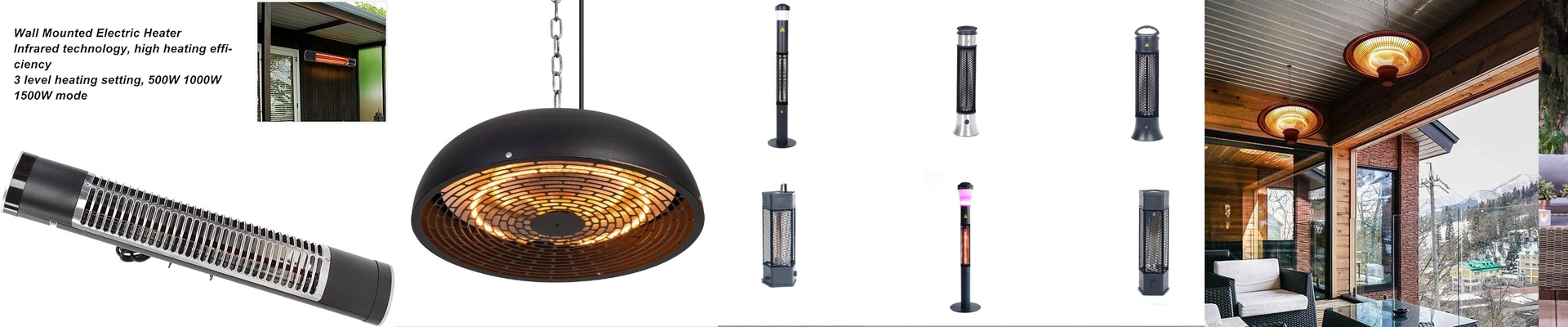
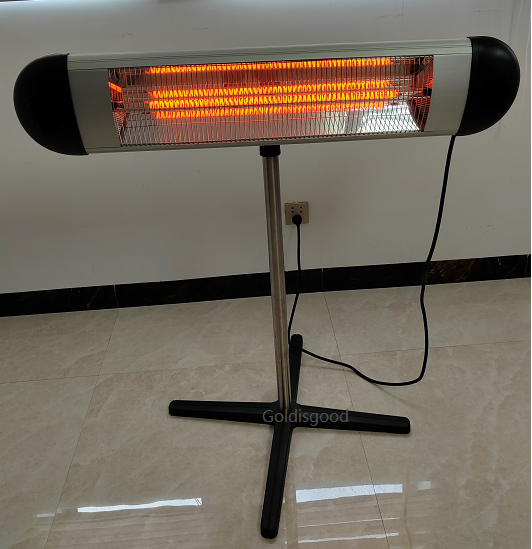
When you’re putting an infrared lamp in a bathroom or under a pergola, the biggest headache isn’t actually the heat. It’s the light. Standard short-wave tubes can be blinding. They put out a harsh glare and UV rays that aren’t just annoying—they can actually irritate the eyes. It’s especially worrying for babies, whose eyes are way more sensitive than ours. So, we changed how these things work. Taming the Light We use special quartz coatings and a specific filament mix to filter out that aggressive, high-frequency light. By shifting the energy to a longer wavelength, we move the peak away from that piercing blue light. The result? You get all the warmth you need to stay cozy in a damp room, but the light stays soft. No more squinting. Dealing with Water Moisture is a killer for electronics. Whether it’s steam from a shower or a rainy afternoon on the patio, water wants to get in. To stop that, we use IP-rated housings that keep the guts of the unit dry. We also seal the heating elements in high-purity quartz glass. This is huge because if air leaks in, the filament oxidizes and burns out in a heartbeat. The Practical Stuff These are designed to be simple drop-in replacements. We kept the footprint small so they actually fit into the ceiling mounts you already have. One thing to keep in mind: because we filter the light to protect your eyes, you lose a tiny bit of that raw, industrial-strength heat. You might find you need to move the heater a little closer or bump up the wattage to get that “perfect” warmth. And please,do not use standard PVC wiring. It’ll melt if it touches the housing during a long session. Stick with heat-resistant cables. Also, double-check your circuit breaker. These quartz lamps have a peak current surge when they first kick on, and you don’t want to be tripping your power every time you want to get warm.