
Keeping Changing Rooms Warm Without the Headache
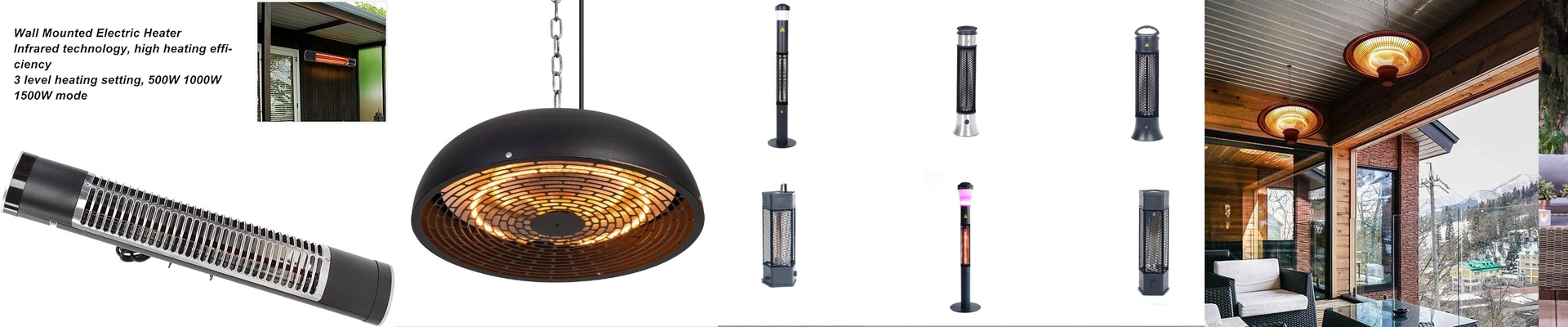
Trying to keep a locker room or changing area warm is a nightmare. You’ve got water splashing everywhere and humidity that makes the air feel heavy. If you use a standard heater, you’re basically just trying to warm up a giant bubble of damp air. It takes forever and usually doesn’t work. That’s why we stick with IP65-rated infrared heaters. Instead of fighting the air, these units shoot heat directly at the person. It’s like stepping into a patch of sunlight on a cold day. You feel it instantly. No waiting around. No shivering. The deal with the IP65 seal If you’re putting electronics in a wet zone, you can’t cut corners. The “IP65” part is just a fancy way of saying the unit is dust-tight and can take a direct hit from a water jet without dying. We use heavy-duty gaskets and resins to seal everything up. It keeps the steam and sprays out of the guts of the machine so you don’t have to worry about short circuits. But there’s a catch. When you seal a heater that tightly, the heat gets trapped inside. To stop the chassis from warping or melting under the pressure, we use specific heat-resistant alloys. It’s all about finding that sweet spot between “waterproof” and “doesn’t overheat itself.” Why shortwave radiation actually works Most heaters try to warm the whole room. In a big, open architectural space, that’s a waste of money. Shortwave infrared is different. It doesn’t care about the air temperature. It goes straight through to the skin. The moment you flip the switch, the element hits temperature and you feel the warmth. It’s the only way to get that high-end, luxury feel without ripping open your ceilings to install massive HVAC ducts. A few things to watch out for These things pack a punch, so you have to be smart about where they go. If you mount them too low, the person standing right under it is going to feel like they’re being grilled. We always double-check the wattage and the “throw distance” to make sure the heat is spread out comfortably, not concentrated in one scorching hot spot. Also, a quick tip on the electrics: these units pull a lot of power the second they kick on. Make sure your wiring can handle that initial surge, or you’ll be spending your afternoon resetting breakers.