
Keeping Things Safe When You Put Infrared Heat in a Bathroom
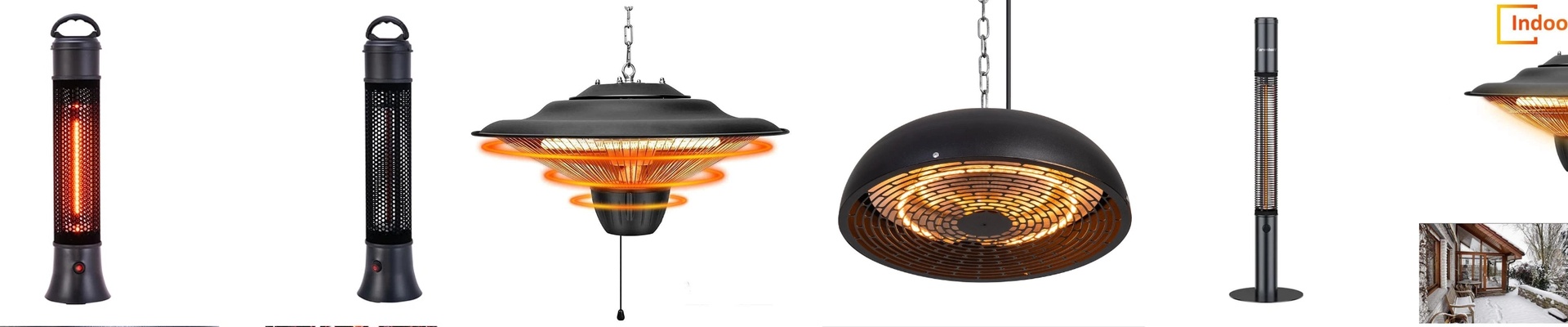
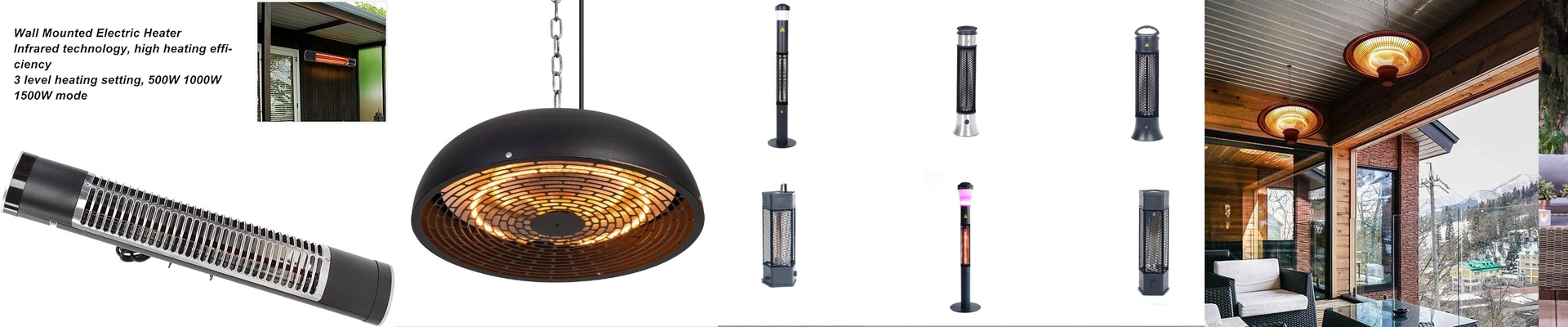
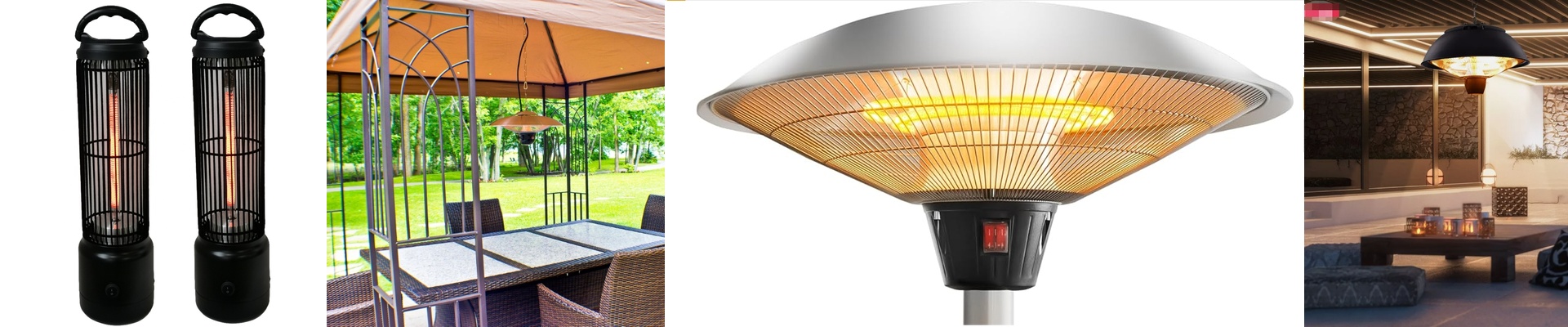
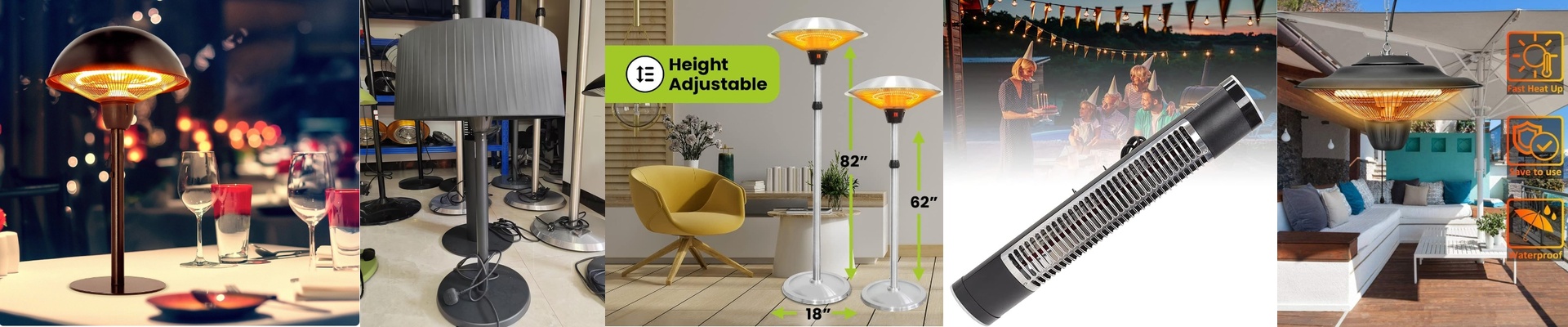
If you’re planning to put infrared lamps in a bathroom, you can’t just throw a waterproof cover on them and call it a day. You’re playing with a tricky mix of high heat and damp air. To really hit those IPX4 splash-proof standards and make sure the electricity stays where it belongs, you have to get the seals and the housing materials exactly right.
Dealing with Steam and Leakage
Here’s the thing about bathrooms: water vapor gets into everything. It finds the smallest gaps. Once that steam turns into condensation on your terminals, you’ve got a problem with leakage current. We stop that by using silicone gaskets and cable entries that are sealed tight, no matter which way the water splashes. While the IPX4 rating handles the splashes, the internal insulation does the heavy lifting to prevent a short. We use high-grade ceramic insulators to keep the heating element totally separate from the chassis. It keeps the power locked in the circuit.
The Heat Problem
Actually, the water isn’t the scariest part. It’s the heat. Infrared lamps go from room temperature to scorching hot in a few seconds. That kind of rapid change makes materials expand and contract. If you use cheap seals, they’ll warp. Suddenly, you have a gap, steam gets in, and your splash-proofing is gone. We make sure the seals and the housing expand at the same rate so they stay tight, even when things get hot.
Finding the Sweet Spot
But wait—you can’t just seal the whole thing in a vacuum. If you seal it too tight, you create a heat trap. The lamp will basically cook itself and burn out. It’s a balancing act. You need that IPX4 protection, but you also need enough airflow so the unit can breathe. The trick is in the mounting. You want to position it so the heat can rise and escape naturally without leaving a door open for water. And always, always use grounded conductors. That way, if a seal ever does give out, the breaker trips instantly instead of the whole outer casing becoming live.