Getting the Voltage Right for Your Glass Bead Annealing
If you’re annealing glass beads, you know the drill: you need a perfect thermal soak to get rid of those internal stresses. We build the infrared lamps that make this happen on high-speed lines. But here’s the thing—the hardest part of the job usually isn’t the heat itself. It’s the power grid you’re plugging into.
The Headache of Different Power Grids
Industrial plants are all over the map when it comes to electricity. A machine built for a US shop (110V) is a paperweight in a Canadian plant (575V) or a European site (400V/480V). You can’t just plug it in and hope for the best; you’d have to tear out the heating elements and start over. We handle that mess for you. We customize the filament winding and the thickness of the quartz tube so it actually matches your local power. Why does this matter? Because if you accidentally drop a 110V lamp into a 480V circuit,poof. The filament burns out instantly. On the flip side, if you under-volt a lamp, you won’t get enough heat density. Your beads won’t anneal properly, and you’ve just wasted a lot of time. We dial in the wattage and voltage so you hit your target temp without blowing a transformer.
The Gear and the Heat
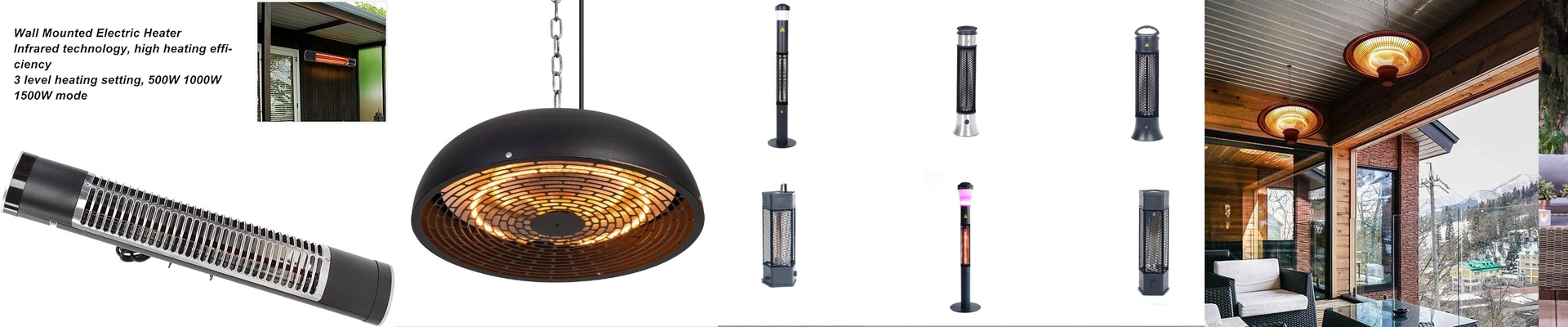
We use shortwave infrared tech because it punches through those glass beads fast. And we know you don’t want to spend a weekend rebuilding your jigs. That’s why we offer a bunch of connector options. Whether you need a specific length or some weird end-caps, we build it to fit your exact footprint. It’s a drop-in replacement. Simple. If you go with high-voltage tubes (like 480V or 575V), you can pack more wattage into a shorter lamp. That means more intense heat in a smaller space.
A Quick Word of Caution
More voltage and wattage equals more heat. Lots of it. If you’re installing a high-density 575V array, you’ve got to make sure your housing and cooling fans can actually handle the sweat. If your airflow is weak, your lamp sockets will start to degrade and eventually just quit on you. Before you upgrade to those higher-wattage lamps, just double-check that your cabinet can breathe. It’ll save you a massive headache down the road.