

Stop Gambling With Your SWIR Tubes
Ordering a short wave infrared (SWIR) tube based on a part number is a bit like guessing. We see it all the time. A buyer picks a replacement lamp because the wattage and length match the manual, but then the preform comes out warped or the tube pops in three months. The lamp usually isn’t the problem. It’s everything around it.
It’s All About the Heat
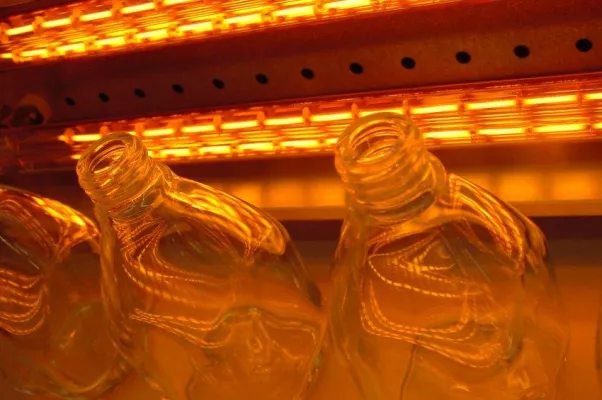
SWIR is powerful. It hits materials like PET or HDPE hard and deep. But when we talk about 230V or 400V, we’re not just chatting about power—we’re talking about heat density. If you cram a high-wattage tube into a tiny space, you’re creating a thermal pressure cooker. If your reflectors are pitted or your airflow is clogged, that heat has nowhere to go. It bounces right back into the quartz envelope. The glass stresses out, and then it fails. Simple as that.
The Little Things That Kill Your Gear
We use halogen-filled quartz to keep the filament temperature steady. And that coating on the glass? It’s not for looks. It’s there to make sure the light hits the exact spot your material needs to absorb it. Then there are the connectors—R7s, SK15, whatever you’re using. These are the danger zones. A pin that isn’t seated quite right creates resistance. That resistance turns into heat, and before you know it, you’ve got melted sockets. A spec sheet can’t tell you if your wiring is vibrating loose. Only a pair of eyes on the machine can do that.
The Price of Speed
Everyone wants faster cycle times. More power gives you that. But pushing 2500W through a 300mm tube puts a massive strain on your cooling. Your ambient temperature will spike. If your ventilation can’t keep up, your lamp’s lifespan plummets. That’s why we do field diagnostics. We want to make sure your cooling can actually handle the heat you’re throwing at it. We aren’t just shipping you a tube in a box; we’re making sure your machine doesn’t eat it.