

Winter hits different when the garage door goes up. The wind finds every crack, and your hands go stiff in minutes. Fine motor skills vanish. For an auto tech, that isn’t just uncomfortable—it slows the whole job and ups the chance of a mistake.
What’s actually under the hood
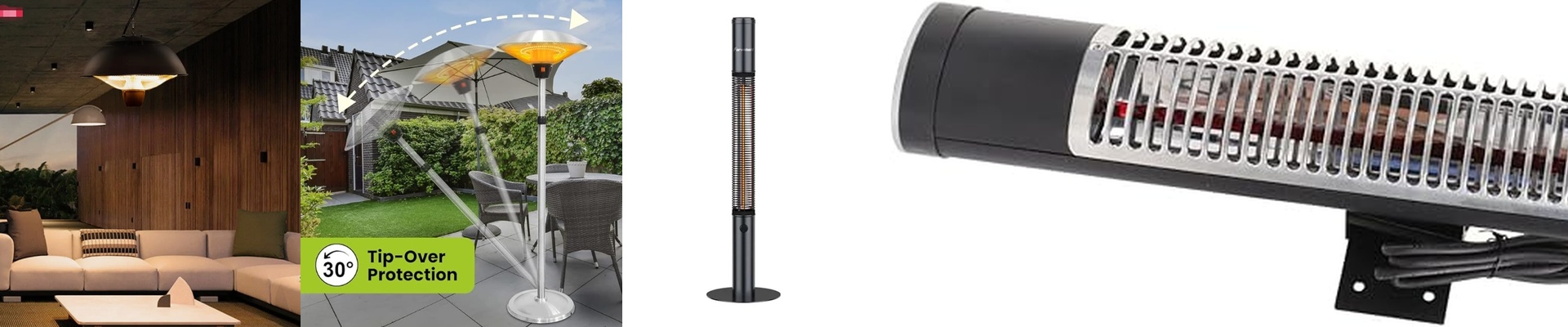
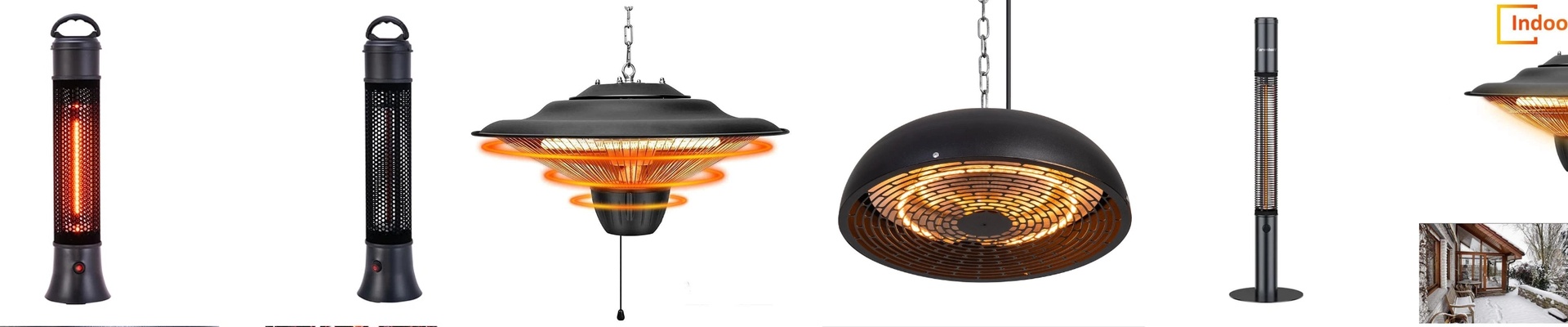
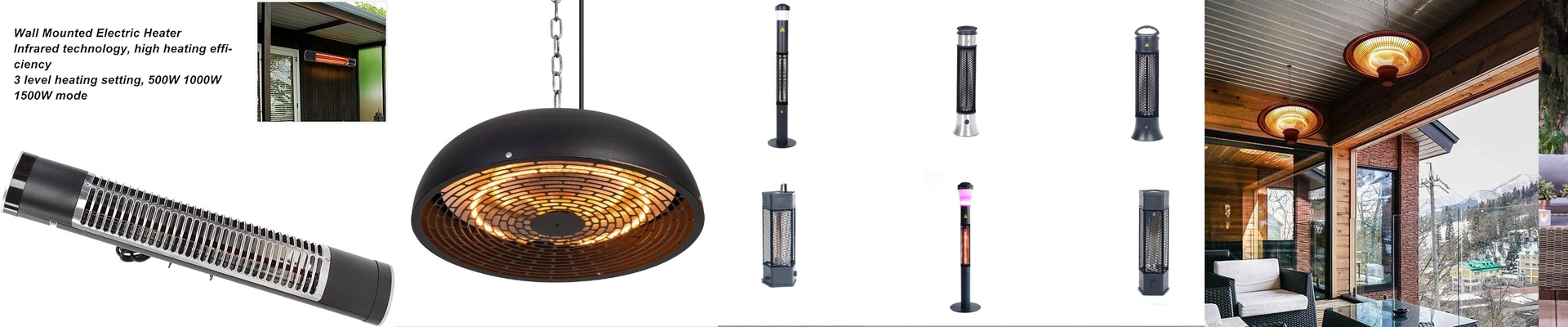
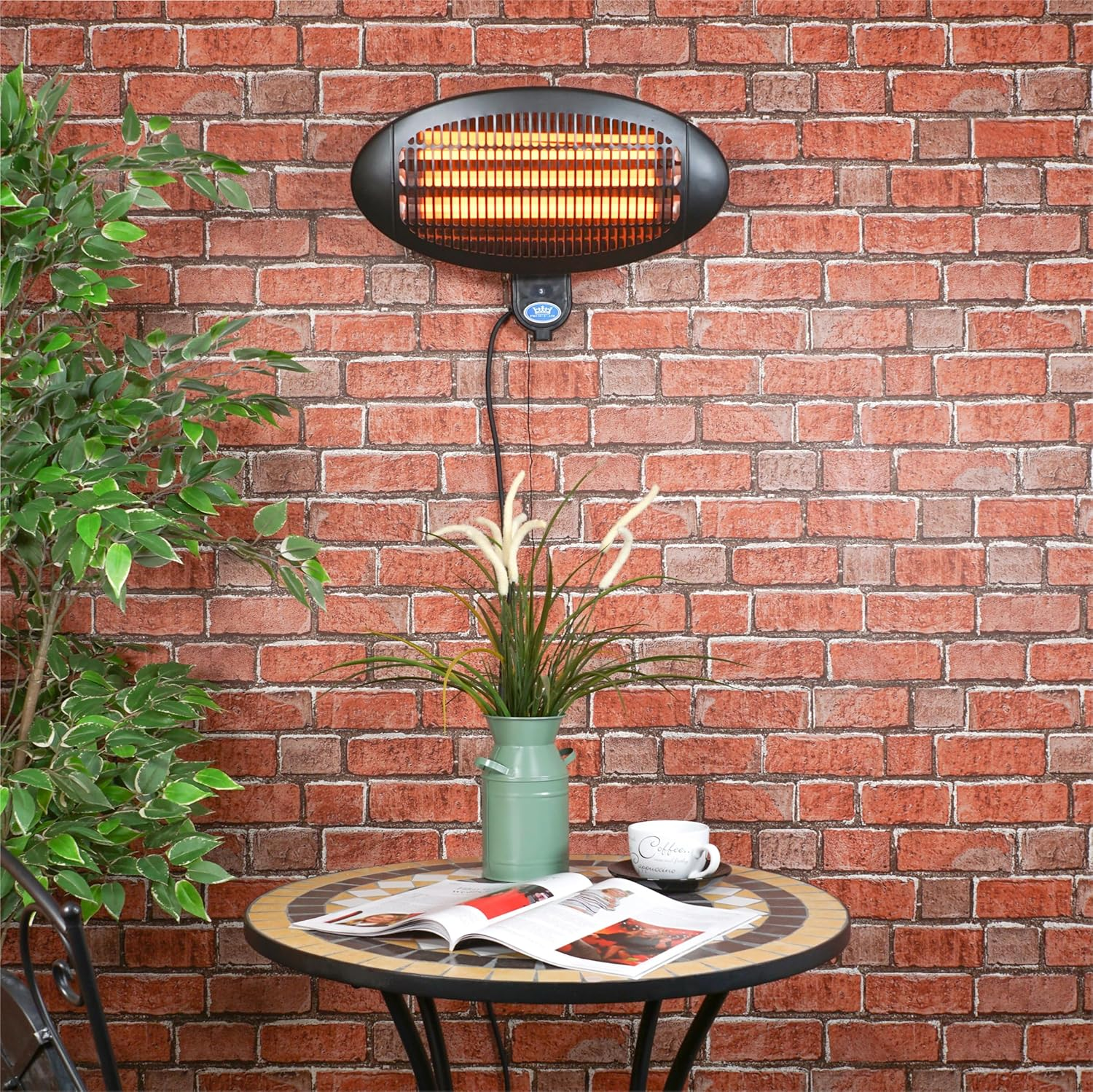
We built this far infrared heater around a carbon fiber element. It throws gentle, directional radiant heat—warming people, tools, and the work surface directly, instead of heating air that immediately vanishes out the bay. The payoff is a focused comfort zone that stays steady, even when drafts keep coming. It runs off a standard electric supply, pulls a manageable current, and the footprint is compact enough to mount right by the bench without eating your workspace. A built-in thermostat keeps the output consistent, and tip-over protection shuts the unit down if it gets bumped over.
Why this approach fits a garage
In a shop, you don’t need a blanket of hot air. You need heat where the work is. Far infrared warmth stays on target, so fingers stay nimble when you’re reaching into tight spots. That translates to faster service cycles, a steadier feel on torque, and fewer interruptions just to warm up. Because the heat is directed, it can be more energy-efficient than trying to heat the whole volume, and it keeps the air from feeling overly dry and swirly.
What I watch for on the install
Radiant heating does its best work when the heater has a clear line of sight to the work area. Mount it so it hits hands and forearms directly, and don’t put it where a vehicle body will block the warmth. This isn’t an air heater. If the space is wide open and the wind is driving, pair it with a wind shield or position it to cut down on drafts. Set the thermostat to maintain comfort—not scorching heat—and keep the unit away from solvents and any flammable materials.