
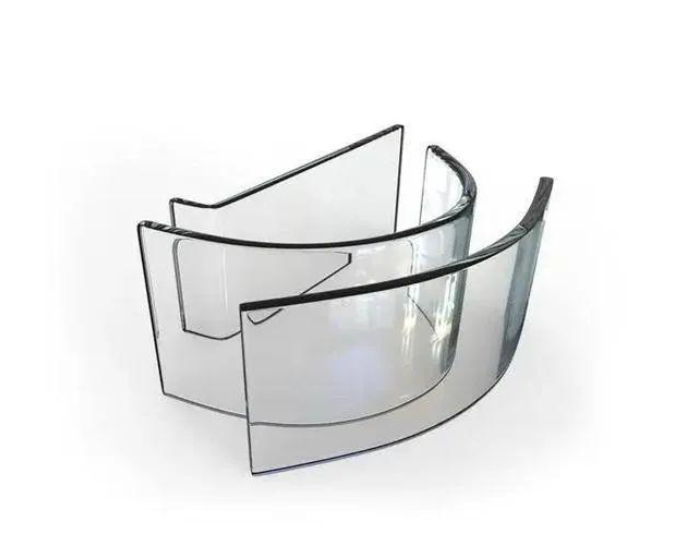
On the plant floor, glass heating problems are never theoretical. You see them in optical distortion after bending, edge cracks after tempering, and delamination popping up on the lamination line. Convection ovens drag cycle time, and standard heaters routinely miss how coated or low-E glass actually behaves in terms of emissivity. Matching infrared wavelength to the glass you’re running isn’t a preference—it’s how you keep yield from bleeding away. What matters, technically In glass processing, wavelength is what decides where the heat gets absorbed. For uncoated float, shorter wavelengths give you fast surface heating—exactly what you need for quick tempering and controlled thermal shock. For coated or low-E products, medium-wave infrared gets through more evenly, which cuts down the sharp thermal gradients that create stress and bow. We build our modular quartz and carbon fiber emitters around stable spectral output, fast response, and repeatable power control. In practice, that translates to tighter temperature uniformity across the glass, and fewer upsets when you switch thickness or change coating stacks. Why this fits the process We design the heating around the process, not the other way around. In tempering, the right wavelength profile helps you keep quench pressure consistent by holding the surface at target without overheating the edges. In bending, it reduces slump variability and repeats the bend radius more reliably—fewer scrapped loads. For coating drying and lamination curing, it speeds throughput while lowering overall energy draw: fast ramp, stable hold, predictable cool-down. The payoff is fewer reworks, better line uptime, and energy use that follows the schedule—not the heater. Things to keep in mind Infrared heating is sensitive to geometry and line speed. The emitter array has to match the glass width, and the control strategy needs to account for emissivity shifts across different coatings. Retrofits are usually straightforward on most frames, but confirm clearances and power connections before you change over. Quartz life can take a hit in dusty or high-humidity air. Keep the plenum sealed and stick to a planned maintenance interval. Match the wavelength to the glass, and the line runs with fewer surprises.