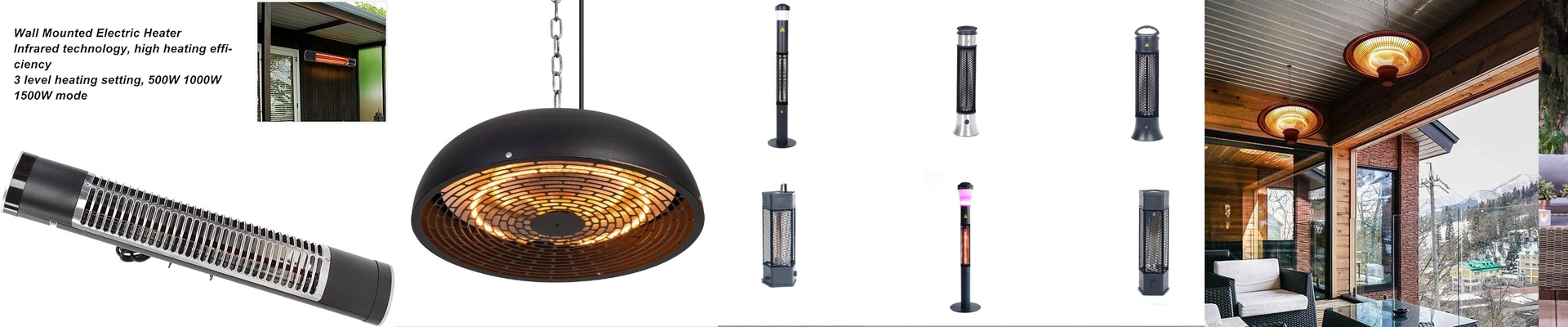
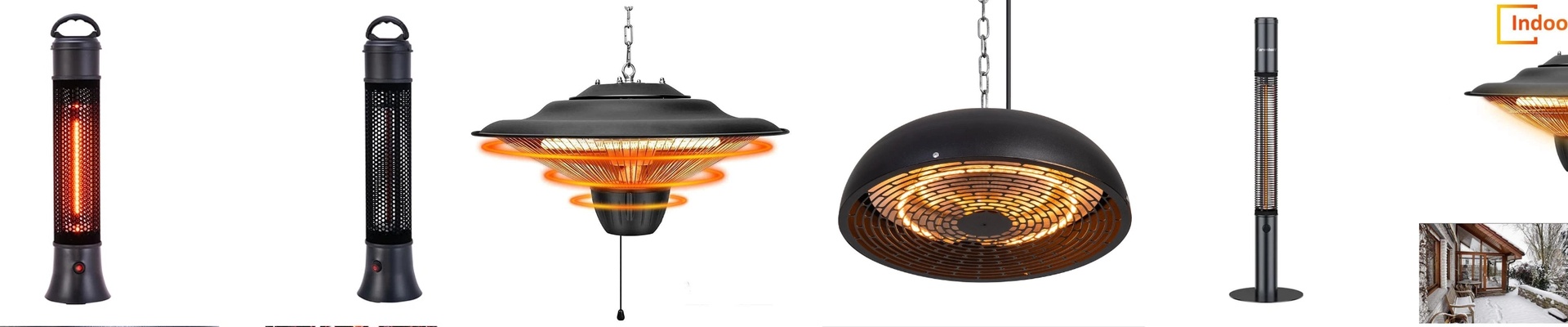
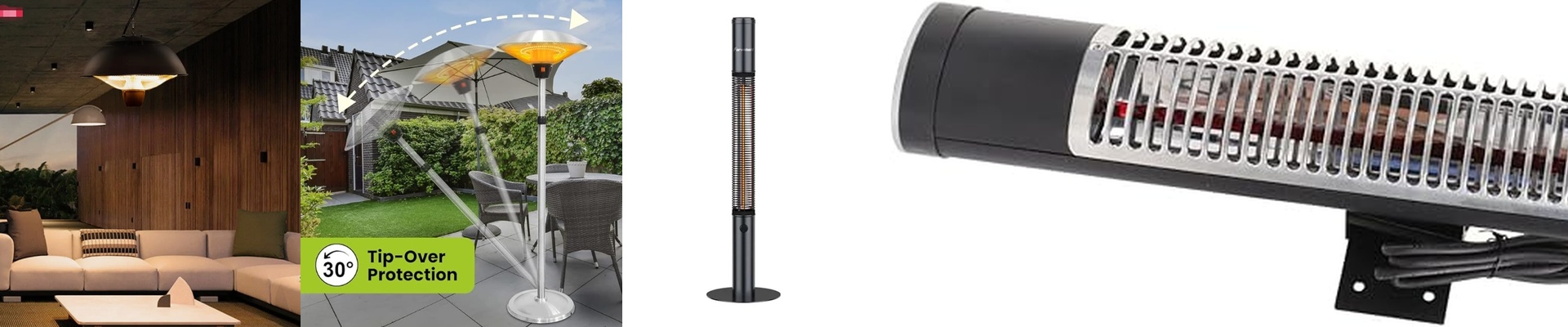
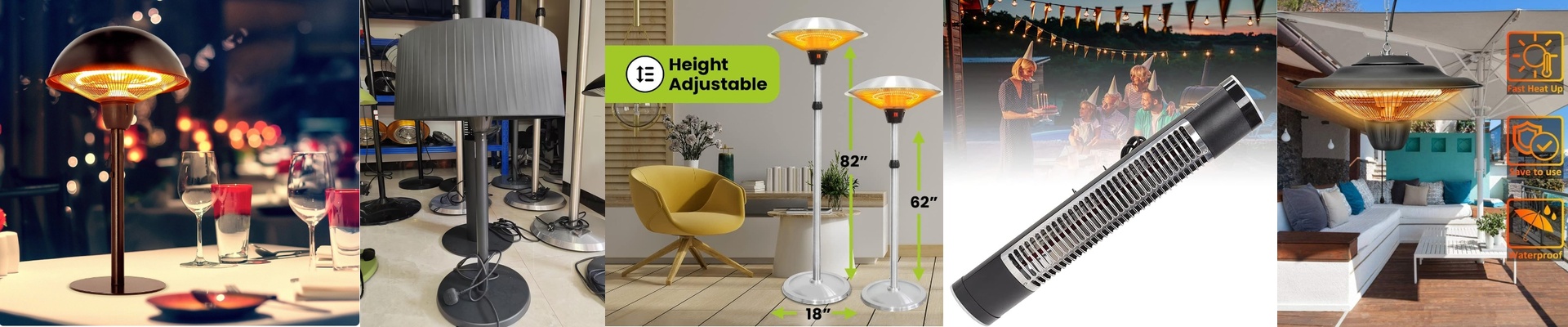
Why the world’s biggest brands stick with our CE-certified infrared wall heaters
Here’s the thing about running a global operation: you don’t have time for surprises. You need equipment that behaves the same way everywhere—same wiring, same performance, same peace of mind. That’s exactly what we built these infrared wall heaters for. If you’re a global brand, you want one unit that specs out the same in every plant, no matter where it is. And because they’re CE-certified, you get the same compliance story across borders. In other words: predictable performance. Hard-wired reliability. The kind you can count on when the pressure is on.
Power, voltage, and size—built for the real world
These aren’t your average home heaters. They’re engineered for industrial duty, where the demands are constant and the margins are tight. Take the 400V high-voltage setup. It keeps current draw low, which means you can use smaller conductors and reduce stress on the contacts inside the control panel. That matters when you’re running several units on the same circuit. The wattage is tuned for serious heat in a compact footprint, and the tube length is designed to drop straight into standard mounting brackets and reflector setups. No fuss. No re-engineering.
What’s inside: built to take the heat
We chose a halogen-filled quartz tube because it can handle rapid heating and cooling without losing output. The internal filament stays stable, even when you’re starting and stopping the unit again and again. The coating on the tube is there for a reason: it pushes infrared energy where you need it and helps shield the element from contaminants. And the R7s connector? That’s the little detail that makes installation feel fast. Two pins, clearly identified for line and load, and a solid mechanical grip that holds up to vibration. You get a secure connection, and you get it quickly.
Where they shine: real-world use, real-world payoff
On the production floor, these heaters are often used to hold process temperature on walls, near openings, and around machinery. They deliver focused radiant heat, so you’re warming the target—not the whole room. That power density is strong, so you’ll want to make sure your machine’s cooling and ventilation are set up to manage the local temperature. But once you do, you get heating that’s direct, efficient, and intentional. For multinational buyers, the biggest win is simplicity: one part number, one wiring method, and one compliance file worldwide. One less headache to manage across every site.