Introduction
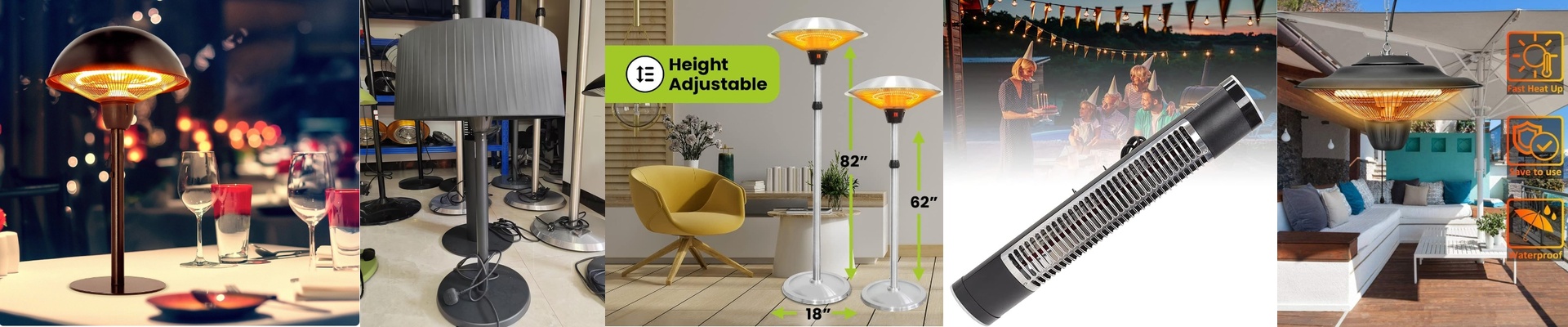
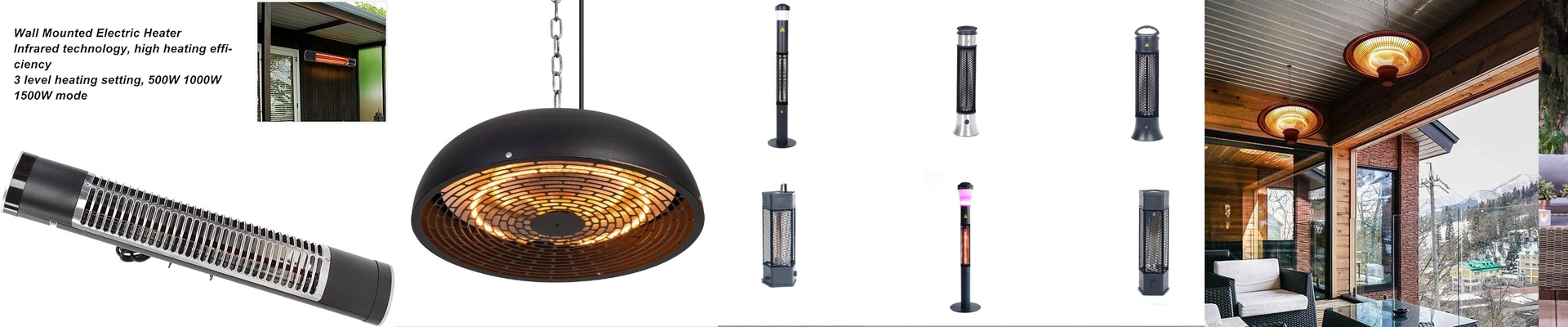
We built this infrared wall heater for bathrooms and yoga studios because we wanted something that does more than just warm the air. It’s a direct-radiant heat source, designed to put warmth exactly where you need it—and to fight the damp that gives mold a foothold. Think of it as a heat lamp that also doubles as a humidity-control tool, using infrared to keep surfaces noticeably drier.
Here’s how it actually works
Infrared heating comes down to power density. Our wall-mount unit runs on standard voltage and packs serious wattage into a small footprint. That concentrated output means high radiant intensity—so the heat reaches people and surfaces directly, instead of wasting energy trying to heat the whole room. And in humid spaces, that direct approach is a game-changer. When walls and floors stay warm, condensation drops. Less condensation makes the space much less welcoming to mold. The goal is straightforward: enough electrical input and radiant output to keep surfaces above the dew point while you’re using the room.
The materials that matter
We use quartz tubes because they can handle high heat and rapid on/off cycles without cracking. Turn it on. Turn it off. It keeps coming back for more. The reflector coating isn’t just for looks. It directs infrared energy forward and keeps stray heat from being wasted backward. That means easier installation on the wall and more usable heat where you want it. And the R7s connector? It’s a practical choice. It gives you a secure, high-temperature-rated electrical connection that’s been proven in real installations. Wiring is simpler, and the contact stays stable even through repeated heating and cooling.
What it feels like in real life
Infrared dries surfaces faster than just warming the air. When walls, tiles, and floors get that direct warmth, the surface moisture that mold feeds on starts to disappear. Add in proper ventilation, and you can actually see the difference—fewer cold spots, less beading, and a room that feels fresher. Now, with high output comes the need for smart setup. Clearances matter. Airflow matters. Get the mounting distance and ventilation right from the start, and you end up with a heater that helps reduce mold risk while staying reliable in humid, demanding conditions.