
Don’t Fry Your Glass: A No-Nonsense Guide to Voltage in Annealing
If you’ve ever moved scientific glass equipment across a border, you know the nightmare. You set everything up, flip the switch, and—pop—there goes your bulb. It happens because power grids aren’t the same everywhere. If you plug a 110V bulb into a 480V industrial line, it won’t just fail. It’ll burn out instantly. It’s a costly mistake that kills your timeline. That’s why we build our infrared annealing bulbs to match exactly what’s coming out of your wall, whether that’s 110V, 480V, or 575V.
It’s all in the filament
Here’s the thing: voltage isn’t just a number on a sticker. It actually changes how we build the bulb. To get the right wattage at 575V, we have to tweak the length and thickness of the filament to get the resistance just right. This keeps your bulb hitting that target temperature without blowing a fuse or overloading your circuit. Plus, going with high-voltage setups (480V+) means you’re drawing less current. That’s a big deal in huge factories where you have long cable runs. It stops the voltage from dropping off before it even reaches your machine.
Dealing with the heat
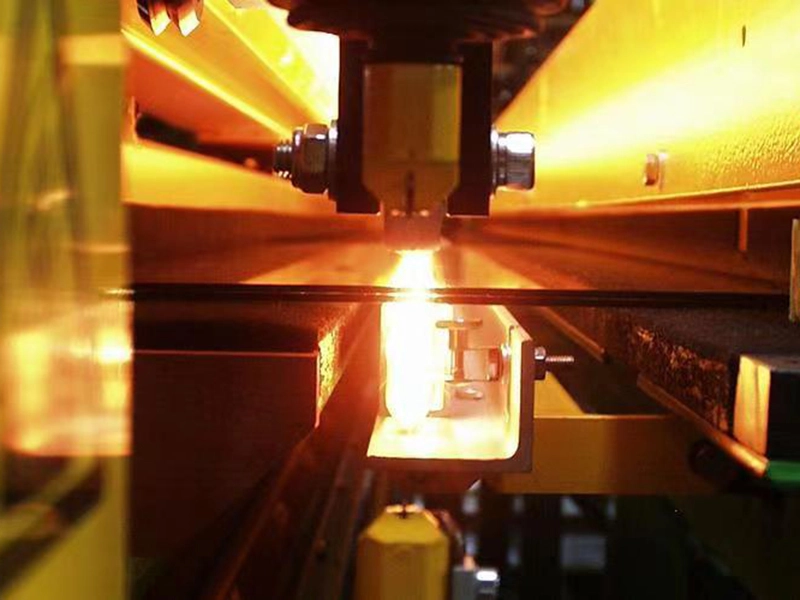
We use high-purity quartz for the envelopes because annealing cycles are brutal. These tubes can take a real beating during those rapid ramp-ups. But a word of caution: when you cram high wattage into a small space, things get hot.Really hot. Make sure your housing and reflectors can actually handle that kind of heat density. If they aren’t rated for it, you’re looking at a warped chassis, which is a headache nobody needs.
Just plug and play
Nobody wants to spend their weekend rewiring a control panel or redesigning lamp holders just because they imported a machine. We make our bulbs as drop-in replacements. You tell us your voltage and wattage, and we match the footprint. Simple. Whether you’re running a 575V system in Canada or 480V in the US, we get you the exact match so your annealing curve stays consistent. Just do yourself a favor: double-check your transformer output before you order. It’s a lot easier than replacing fried filaments.