

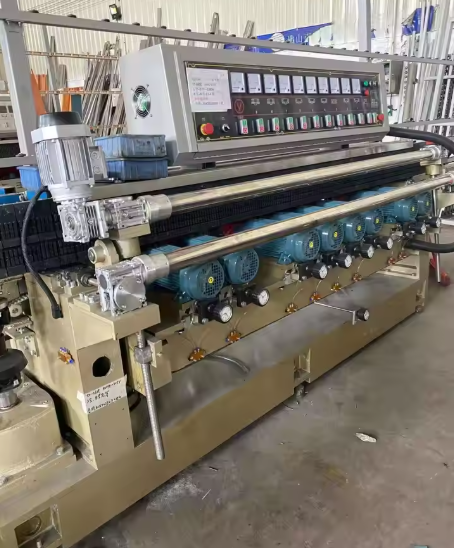
We built this preheater for one very specific, very frustrating problem: how to prep thick glass for cutting without smudging the beautiful printed pattern underneath. Here’s the solution we landed on: shortwave infrared halogen lamps. They give you the exact heat profile you need to get the glass ready for tempering and cutting, but they never touch the silk-screened design. It stays pristine.
Power, Voltage, and Size
At the heart of this thing is a high-output halogen lamp, built to run all day, every day. It’s a 2500W lamp on a 400V line. That’s not by accident. That specific power-to-voltage mix gives you the muscle to heat thick glass fast. But it also means you need to make sure your power supply and the machine’s cooling are up to the task. The tube itself is 300mm long, which creates a tight, focused heat zone. It’s a compact footprint that fits right into your existing line without needing a total overhaul.
The Build: Quartz, Coating, and Connections
The heating element sits inside a quartz envelope. Quartz handles the rapid heating and cooling cycles far better than standard glass, so it’s built to last. We also added a reflective coating. This isn’t just for looks. It focuses all that infrared energy straight down onto the glass, which makes the heating super efficient and keeps the surrounding components from getting blasted. And the connector? We went with the R7s. It’s a tough, industry-standard choice. You wire it up, lock it in, and it just holds steady, even when the machine is running non-stop.
Why It Works in the Real World
Think about the process. After the glass is silk-screened, you need to get it ready for cutting and tempering. That’s where this preheater shines. The shortwave infrared heat hits the surface fast and spreads evenly through the glass. That quick, controlled burst is what keeps the printed ink from bleeding or distorting. You get to keep the pattern looking sharp. At the same time, it brings the glass to the perfect state for the next steps. No micro-fractures. Just clean, reliable cuts and tempering, piece after piece. But here’s the thing: that kind of power demands control. So we pair the lamp with a control system that keeps the temperature locked in, from the very first piece to the thousandth. It’s all about keeping the whole process stable and repeatable.