Getting Your Bathroom Heat Just Right
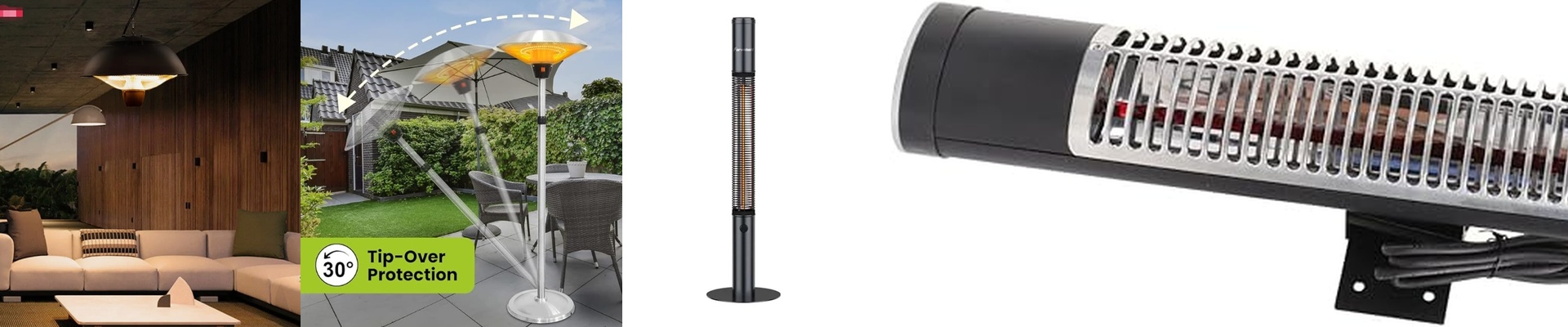
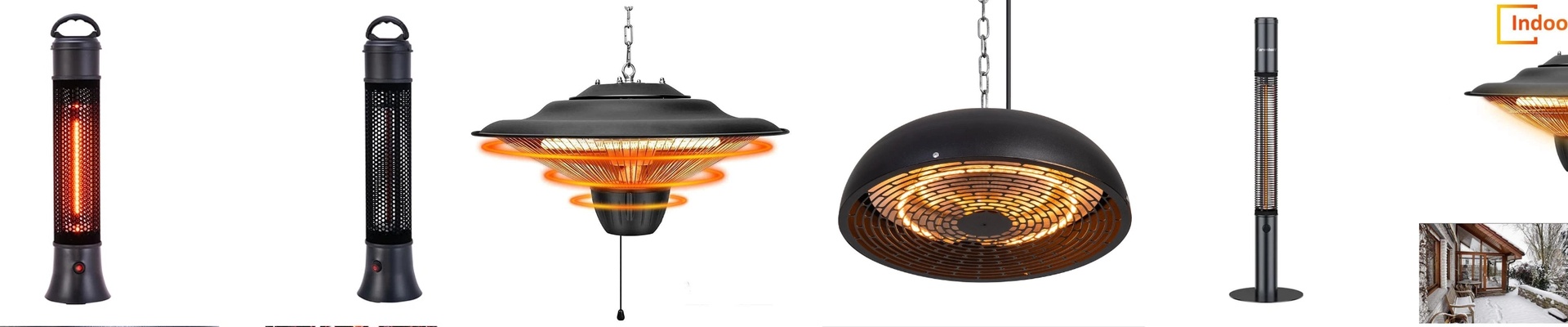
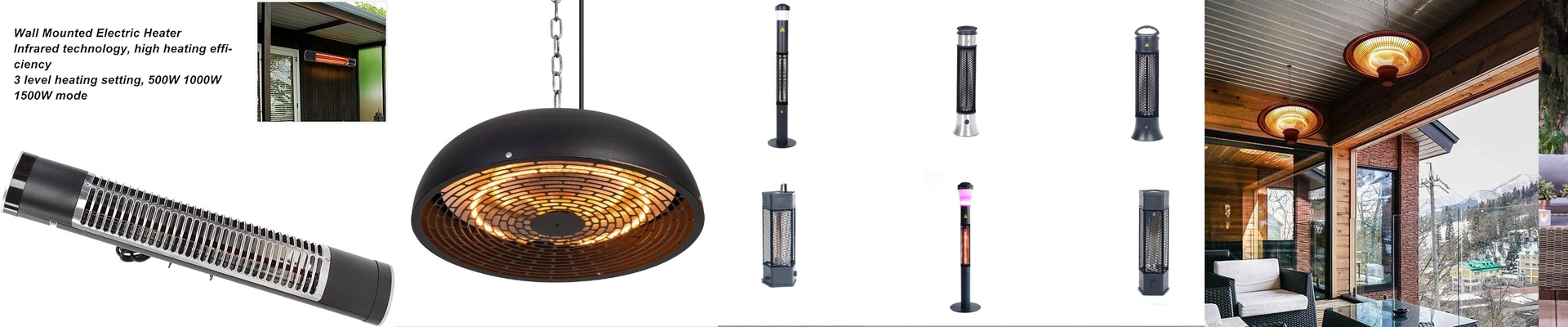
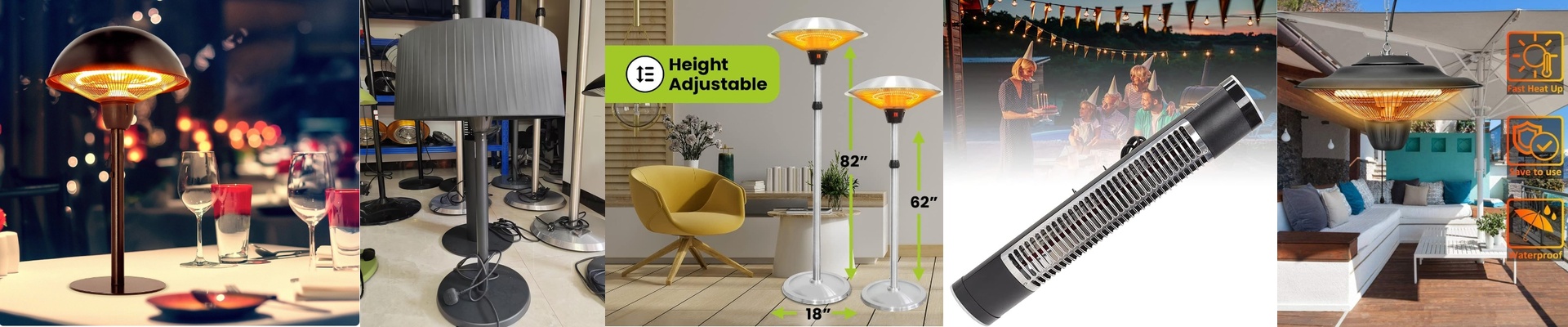
Let’s talk about putting infrared heaters in the bathroom. First things first: we build our heating tables and lamps to IP44 standards. Why? Because bathrooms are wet, steamy places, and nobody wants a short circuit while they’re trying to relax.
Picking the right wattage
The biggest mistake people make is just guessing the wattage. If you get it wrong, you’re either shivering or baking. If you’re dealing with a tiny powder room (under 4m²), keep it simple. A 250W to 400W lamp is plenty. It keeps the air cozy without turning the room into a sauna. But for those big master baths—the 8m² to 12m² kind—you’ll want to jump up to 600W or 1000W. Here’s the trick: if you go too low, the heater just runs and runs, which kills your energy savings. But if you go overboard, you’re just wasting power. Plus, if you’ve got a few of these on one circuit, you might find yourself tripping the breaker. Not a great way to start your morning.
The “Splash” Factor
Water and electricity don’t mix. That’s where the IP44 rating comes in. Basically, it means the housing is tight enough to keep out small bits of debris and, more importantly, it handles water splashes from any angle. We use sealed gaskets and special coatings on the elements so the internal wiring doesn’t just rust away in the humidity. It’s about peace of mind.
A few things to watch out for
Higher wattage means you get that warm, glowing feeling faster. But it also means the lamp housing gets hotter. Give your heaters some breathing room. If you cram too many high-wattage lamps into a tight ceiling, you’ll get these “heat pockets.” When that happens, the safety cut-offs might kick in and shut everything down. It’s also a good idea to spread the electrical load across your phases so you don’t run into voltage drops. One last tip: look at the total volume of the room, not just the floor space. Think about the height of the ceilings. That’s the best way to make sure you’re actually warm without blowing your electricity budget.