
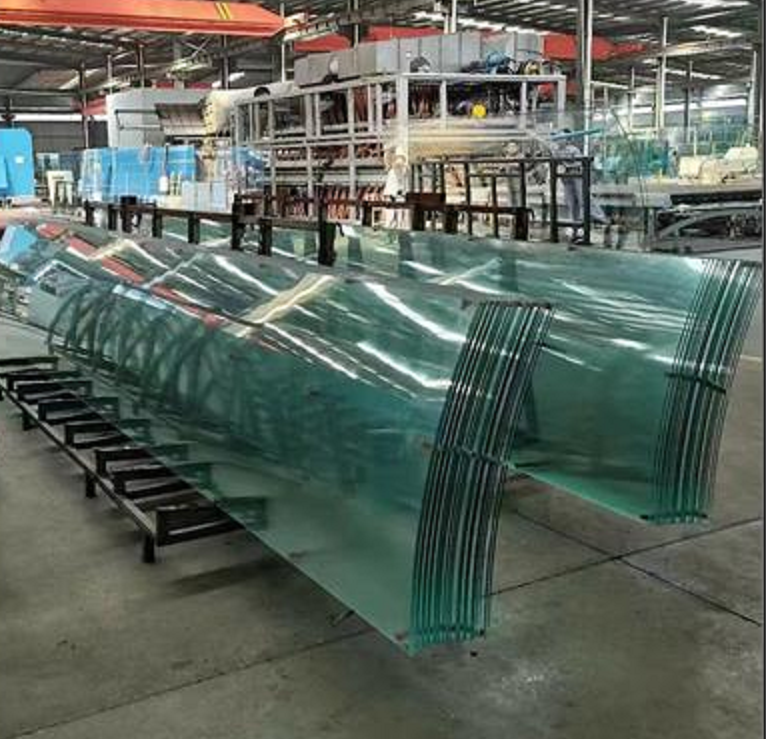
Out on the line, the bottleneck is often just waiting for a coating to dry. Traditional hot-air ovens heat the glass too slowly, and the temperature swings that follow create uneven expansion. That stress shows up later as micro-cracks after tempering, or as haze after bending. We built the glass syringe drying lamp to cut that delay at the root, using focused near-infrared energy to strip out solvents and set the coating without soaking the substrate. What matters under the hood The core is short-wave NIR emitters in a quartz envelope, delivering high-intensity radiation that punches into the wet film first, then transfers heat into the glass surface with minimal convection. That gives you a fast, controllable thermal profile: power is adjustable, and the beam can be shaped to match the part geometry, so you heat the film—not the whole fixture. It responds immediately, no warm-up lag, and the lamp stays compact enough to fit into tight machine spaces. In practice, you can shrink drying dwell from minutes to seconds without pushing the glass through a broad, unstable temperature ramp. Glass lines are a chain of thermal steps—bending, tempering, coating drying, lamination, and insulating glass sealing—each with its own timing tolerance. If one stage drags, the whole line waits. This lamp fits that rhythm because it delivers localized heat exactly where it’s needed, so coatings cure fast while the glass body stays closer to process temperature. The payoff is quicker cycles, more consistent film properties, and fewer rejects from thermal shock or uneven drying. Energy use drops too, because you’re not heating air and refractory—you’re putting energy straight into the target. Installation is simple, but alignment is everything. The NIR field has to cover the film uniformly; otherwise, you risk hot spots and uneven cure. Surface emissivity and glass thickness change absorption, so set the power curve to your specific coating and substrate, not to a generic guess. Lamp life will suffer in heavy dust or if you cycle the lamp on/off too frequently—keep the quartz clean and stay within the rated duty cycle. When it’s dialed in, the lamp acts like a drop-in heating module for glass finishing equipment, and it can be tuned to support multiple thermal processes without re-engineering the line.