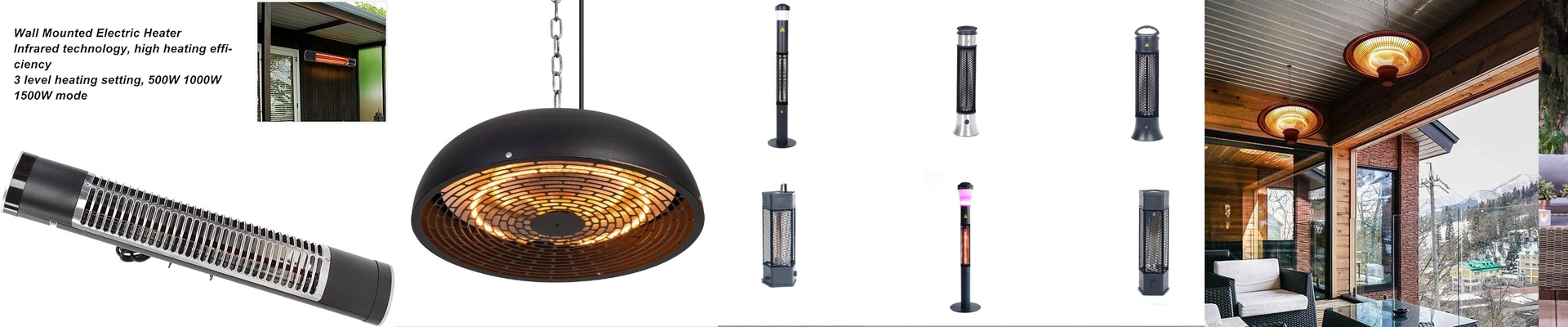
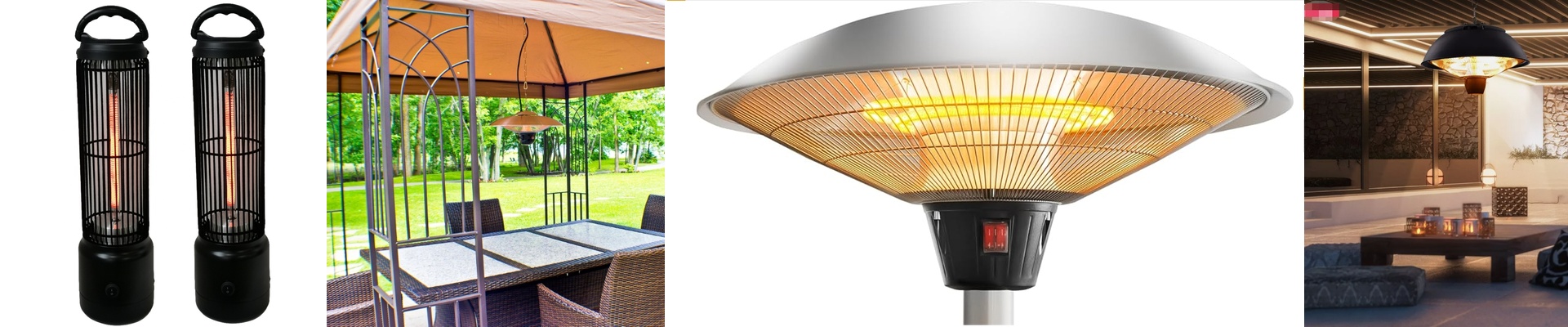
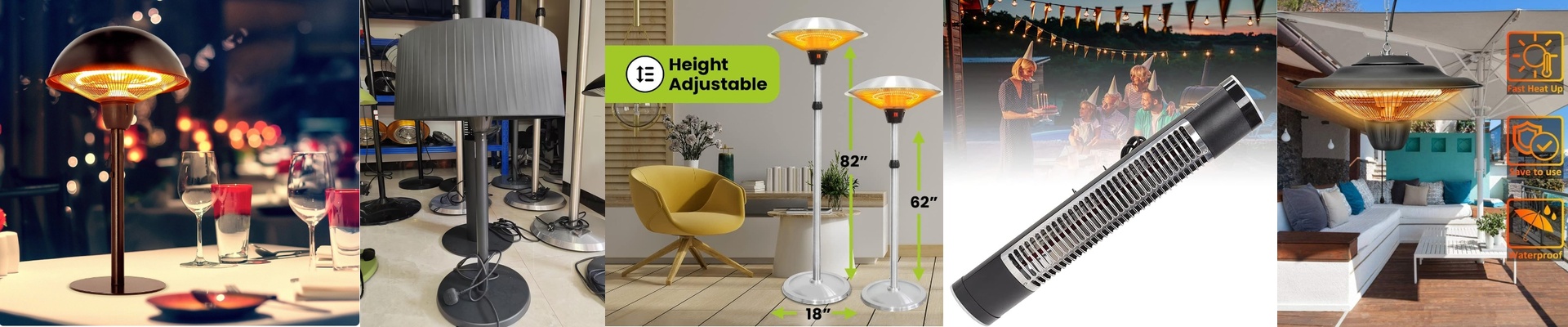
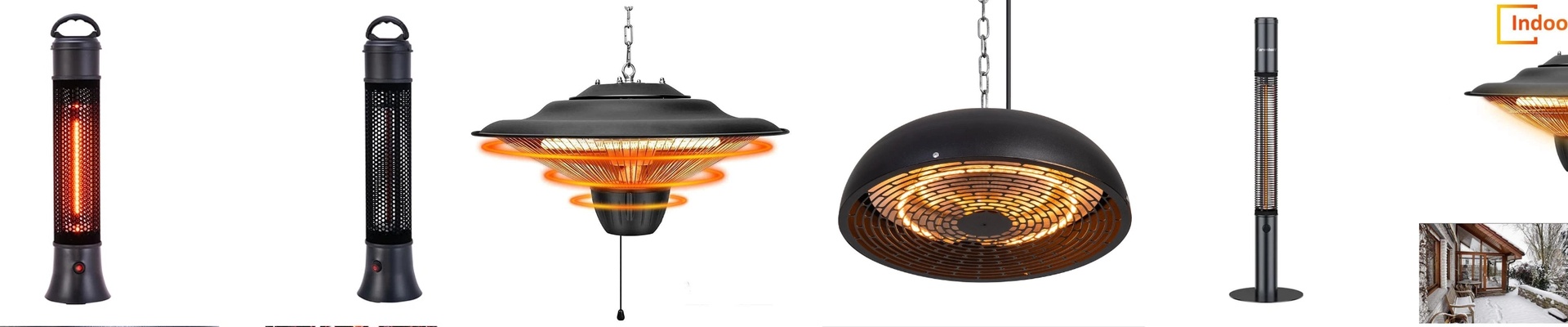
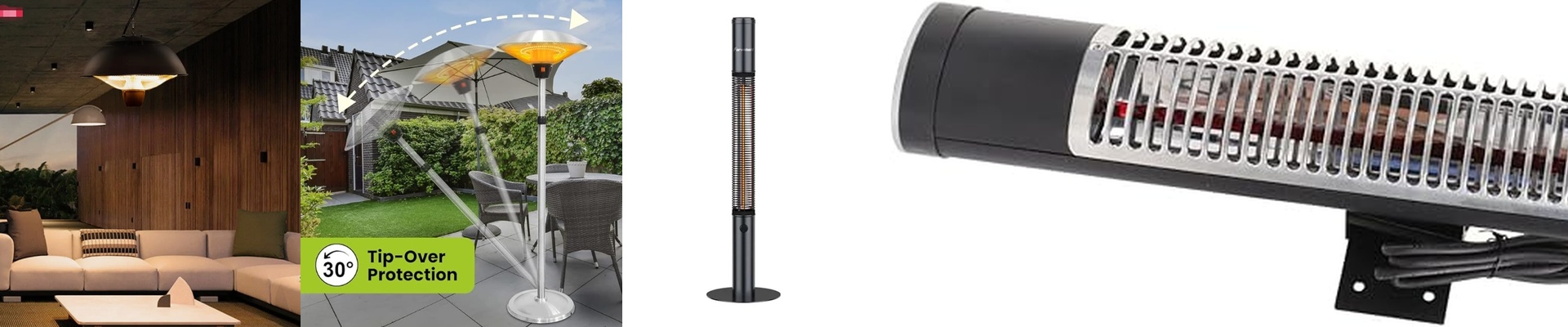

Step inside from the cold, boots still damp, toes still numb. That kind of chill hangs on, even indoors, until the air finally turns. We built our infrared heaters to cut through that—starting with how they actually read the room and react.
What matters under the hood
We pair a high-efficiency infrared element with a smart sensor array that tracks ambient temperature, humidity, and air movement. The control logic adjusts output on the fly, so you get steady radiant heat instead of the usual harsh on/off swing.
In practice, comfort comes faster—you feel heat within seconds, not minutes. The unit runs quietly, only draws power as needed, and puts out directional warmth that keeps people comfortable without trying to heat the whole space.
Why this approach makes sense here
The idea behind environment-adaptive heating is straightforward: the heater does the work; you just feel the result. In entryways, mudrooms, and covered outdoor sitting areas, conditions change fast—doors swing open, wind picks up, humidity spikes.
Our system responds in step, keeping comfort steady even when the surroundings shift. That means fewer cold spots, less energy wasted heating empty air, and a more consistent feel the moment you step inside.
What to keep in mind
For the best performance, plug it into a standard outlet and leave enough clearance from walls and furnishings so airflow stays unobstructed. It performs well in covered, semi-enclosed spaces, but if it will face direct rain, either give it shelter or choose an IP-rated outdoor model.
One trade-off: the heat is directional, so comfort is strongest within the main beam.Position the heater where you actually sit—you’ll feel the difference right away.