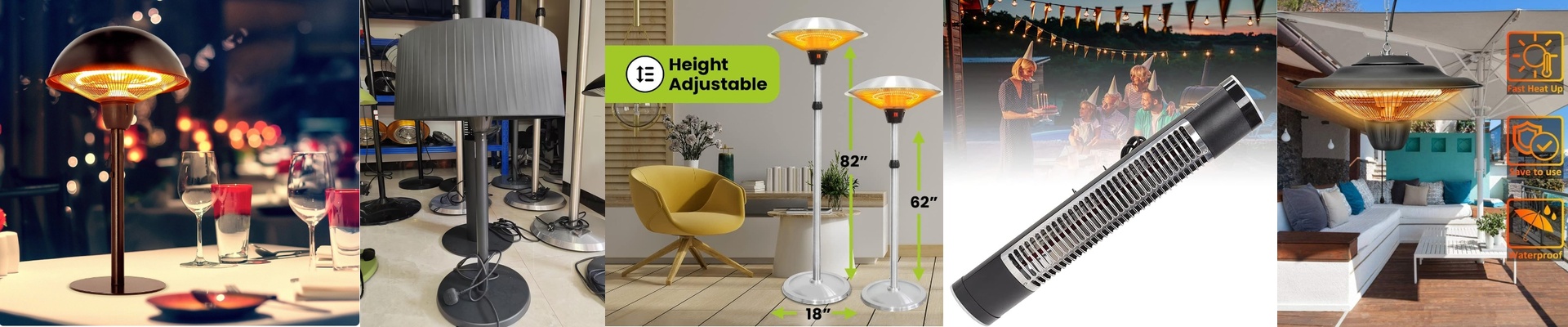
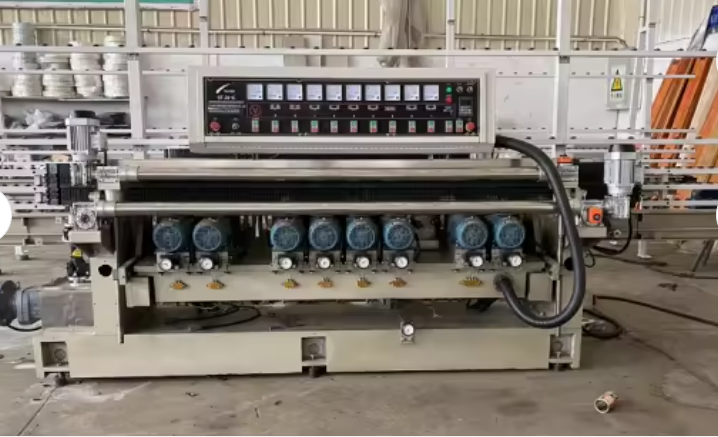
On the glass line, heat isn’t just a setting—it’s the whole process. Let the thermal profile drift, and you’ll pay for it with optical distortion, thermal stress fractures, and entire loads scrapped. We build IR lamps for plants that need heat they can count on: repeatable, quick to respond, and stable—whether you’re tempering, bending, drying coatings, laminating, or sealing insulating glass. What actually matters under the hood We cover short-wave, medium-wave, and fast-response quartz elements, chosen to match the emissivity and thermal mass of the glass you’re running. Power density is picked to hit the ramp rate you need without stirring up convection hot spots. The output holds steady cycle after cycle, and the lamp geometry is set up for focused heating zones. Emitters are engineered to standard industrial voltages and mounting interfaces, so the module drops into existing ovens and heating frames with minimal rework. Why this plays in our world Tempering demands fast, uniform heating to hit quench temperature without bowing or stress marks. Bending needs controlled soak zones to form the glass cleanly—no thinning, no wrinkling. Coating drying has to flash solvents quickly while keeping film integrity intact. Lamination—EVA, SGP, or PVB—requires a tight thermal window for de-airing and crosslinking. And insulating glass sealing needs steady heat to activate the primary sealant without cooking the gasket. Our IR lamps tighten the process window, shorten cycle time, and cut scrap because the heat follows the recipe, shift after shift. Energy use drops, too, since the heat is aimed where it’s needed—not just dumped into the chamber. The field notes that save you headaches IR heating is line-of-sight, so lamp layout and reflector geometry have to match the glass geometry and line speed. Changing thicknesses or coatings? Expect a tuning period. Keep lamp surfaces clean, keep cooling and ventilation aligned, and check reflector condition on schedule. In humid environments, protect connections and terminations. The quartz elements handle high temperatures, but corrosion at the ends shows up as output drift before you even see the damage.