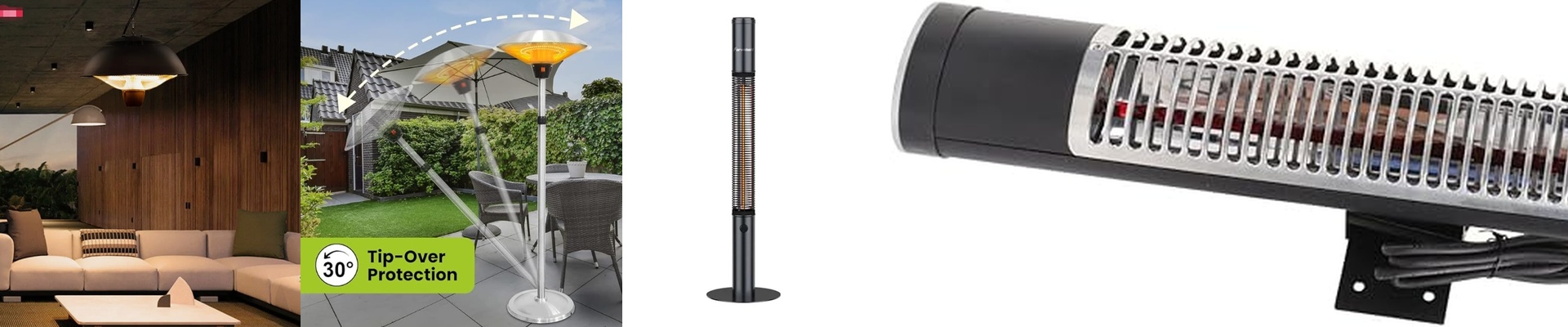
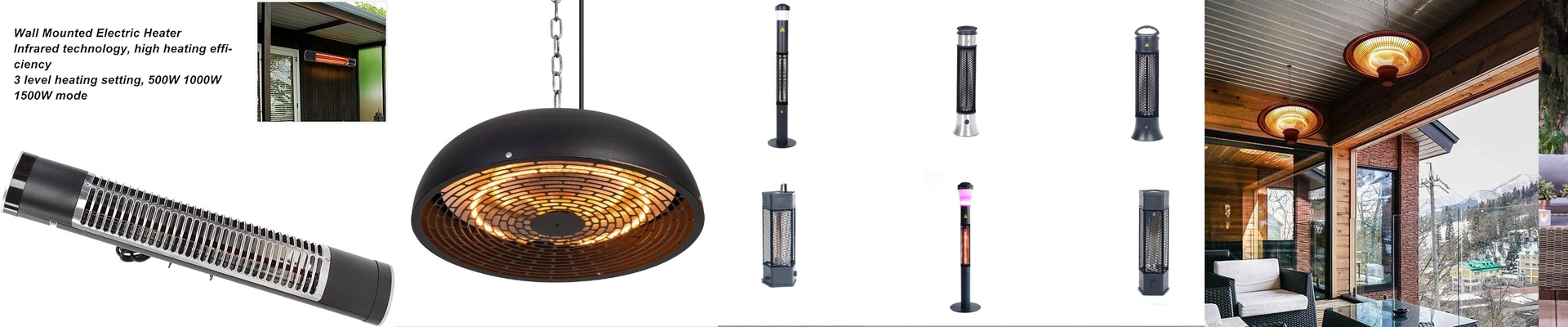
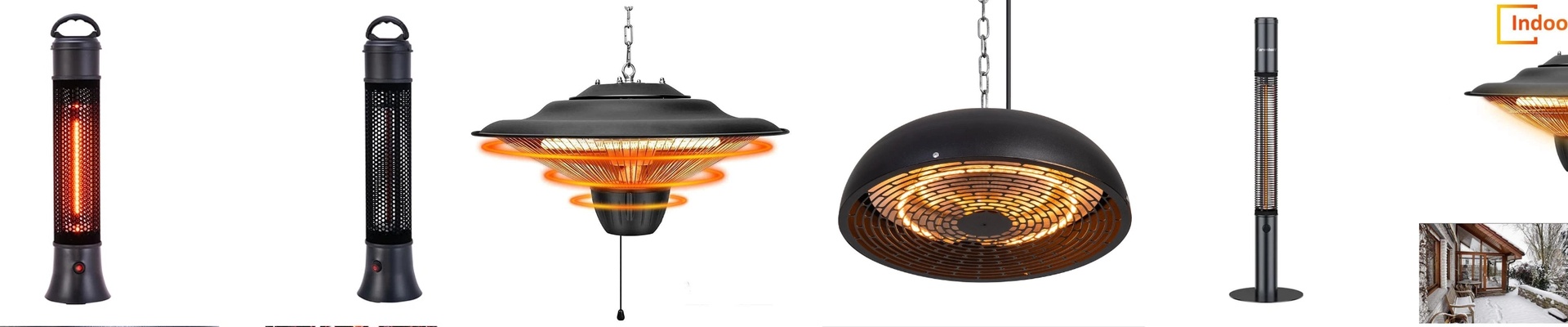
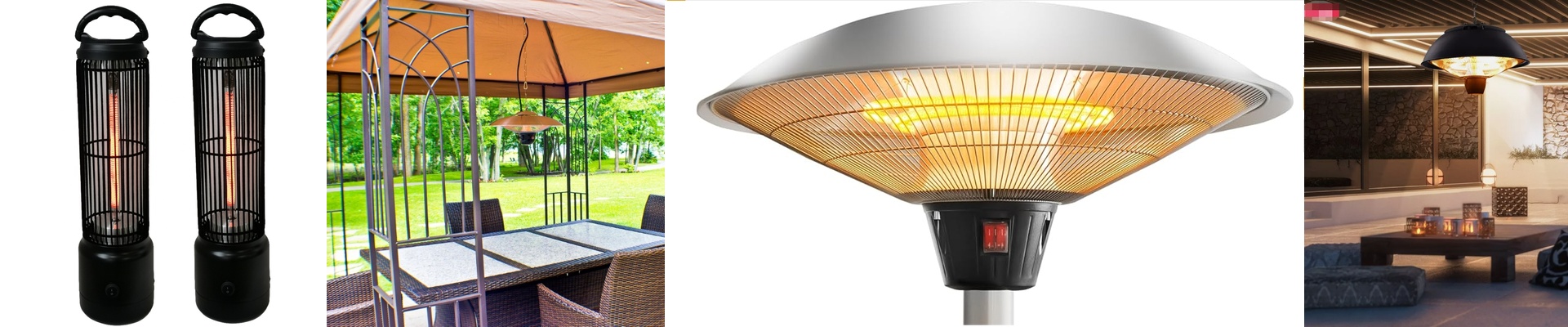
Building Infrared Heaters That Actually Belong in a Damp Bathroom
Let’s talk about heating a bathroom. It’s one of the toughest rooms in the house—steam, wet surfaces, constant moisture. And if you’ve ever worried about a heater in that environment, you’re not alone. We built our infrared heaters specifically for places like this. The goal is simple: give you strong, focused warmth without risking electrical safety. Generic heaters just don’t cut it here. You need design that starts at the component level, with insulation and layout that keep everything protected when dampness is part of daily life.
Power and Electrical Design: Safety First, Warmth Second
Our infrared heating lamps run on standard mains voltage—typically 220–240V—and deliver the right amount of heat for the space. But the real story is how we keep it safe. ERP compliance isn’t just paperwork to us. It shapes how we arrange components and build insulation barriers inside the unit. We use double-walled insulation and reinforced isolation between the live heating element and the outer casing. That means even if water touches the outside, there’s no path for a short. It’s protection you can feel, even when you can’t see it.
The Materials That Hold Up When It’s Wet
The heating element sits inside a high-grade quartz tube. Why? Because it stays stable when temperatures swing fast, and it doesn’t lose its insulating strength around moisture. It just keeps doing its job. Inside, the halogen filament runs in a controlled environment, so the light output stays steady. The connectors are sealed and rated for high temperatures, so the electrical joints don’t become the weak spot. And the whole assembly is built to handle steam, cleaning, and the daily reality of a humid bathroom without giving up.
How It Feels in a Real Bathroom
Swap in one of these, and you get warmth the moment you flip the switch. It doesn’t warm the air—it warms you. That means less condensation on mirrors and walls, and a bathroom that feels comfortable faster. There’s one practical note: because the heat is dense, you do need proper mounting clearances to keep nearby materials from getting too hot. But once it’s installed, it’s the kind of heating you set and forget. It meets tough safety standards, and it doesn’t need constant attention.
The Safety Layers That Make It Trustworthy
In a damp bathroom, electrical insulation isn’t optional—it’s everything. We seal the core heating element inside a waterproof housing made from high-impact, moisture-resistant polymer. That housing is a physical barrier against water getting in. The electrical connections stay internal, protected by IP-rated seals that block moisture from reaching live wires. And we include a ground fault circuit interrupter (GFCI) as standard. If any leakage is detected, the GFCI cuts power instantly. It’s that final safety net that makes the difference—even if something goes wrong, the risk of shock is stopped cold. The result is a heater that stays reliable in the hardest conditions. You get steady warmth, day after day, in humid air, without the worry. It’s built to last through thousands of cycles, and it keeps performing the way you need—safely, quietly, and without fuss.