Role
あなたはターゲット言語である日本語のネイティブローカリゼーション翻訳の専門家であり、産業製造および電気機械工学における高度な専門知識を有しています。
Task
提供された産業技術記事を、最高レベルの専門的かつ正確な日本語に翻訳してください。
Input Text
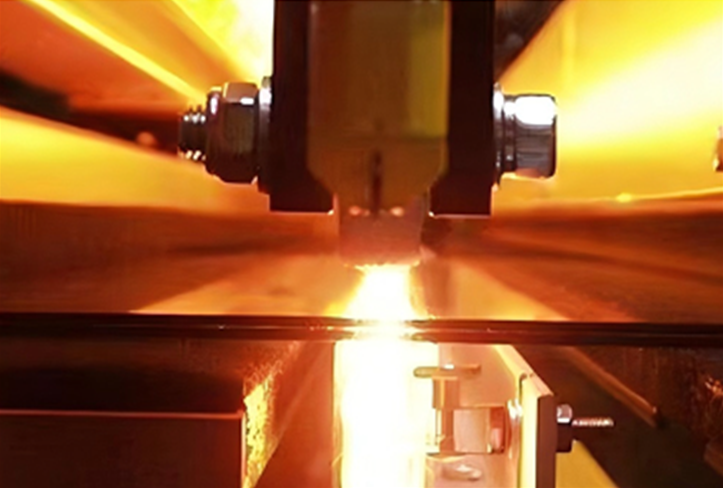
On the mosaic line, slow drying isn’t just a bottleneck—it eats throughput and invites cosmetic issues. Trapped moisture under the glaze holds air, shows up as haze, and hurts bond strength. Convection ovens struggle to keep up, and the kWh meters climb while minutes pile on, batch after batch. We built the mosaic drying lamp to run hard, heat fast, and keep energy use under control. What matters under the hood The system uses short-wave near-infrared (NIR) emitters in a compact quartz module, delivering high power density with millisecond response. Energy is concentrated where it’s needed, so you’re not wasting heat on belts, frames, and plant air. The spectral profile is tuned to match glaze and binder absorption, so heat penetrates quickly without scorching or thermal shock. The result is a repeatable thermal profile that dries evenly, cycle after cycle. Why it fits mosaic work You need speed without trading off quality. The lamp dries tiles in seconds instead of minutes, freeing the line for cutting, stacking, and inspection. Uniform heating cuts stress-induced micro-cracking and keeps edge quality consistent. Energy use drops because most of it goes straight into the glass, not the surrounding air. On high-volume lines, that means lower kWh, lower peak demand, and a smaller carbon footprint—without missing output targets. What to watch on install and startup Installation is straightforward on most conveyor widths, but your line layout still matters. Reflectors need to be aligned so irradiance stays even across the full tile width, and keep the emitters clean so output doesn’t drift. Operators need eye and skin protection around NIR exposure. Expect a short ramp-up to dial in the right speed-to-temperature balance for your specific glaze and adhesive system.
Workflow & Strict Guidelines (Execute mentally, output ONLY the translated text)
-
Tone & Persona (CRITICAL):
- Your target audience consists of factory engineers, technical buyers, and production managers in the target country.
- The tone must remain strictly objective, rigorous, factual, and direct.
- ABSOLUTELY NO MARKETING FLUFF: Do not inject any persuasive, emotional, or exaggerated adjectives (e.g., perfect, ultimate, revolutionary, best) into the translation. Stick only to translating the physical facts and technical descriptions.
-
Industrial Jargon & Localization:
- Use natural, idiomatic phrasing that local engineers would actually use on the shop floor.
- Ensure a fluid translation that conveys the exact meaning. Do NOT use rigid, word-for-word machine translation.
-
Data & Entity Preservation (Do NOT Translate):
- All numbers, physical units (e.g., W, V, mm, ℃, Hours), and specific model codes/SKUs (e.g., R7s, SK15, IR, PET) must be kept exactly as they are in the source text.
- Do NOT convert measurement units (e.g., do not change mm to inches).
- Keep brand names or designated English proper nouns in English.
-
Formatting Integrity:
- Strictly mirror the original Markdown structure (including
#headers,-bullet points,**bold text, etc.). - Ensure you apply the correct punctuation and spacing rules specific to Japanese (e.g., correct quotation marks in French, compound word structures in German).
- Strictly mirror the original Markdown structure (including
Output format
Output the final translated text in Japanese directly. Do NOT include any introductory, explanatory, or conversational text. Do NOT wrap the output in Markdown code blocks (like ```).