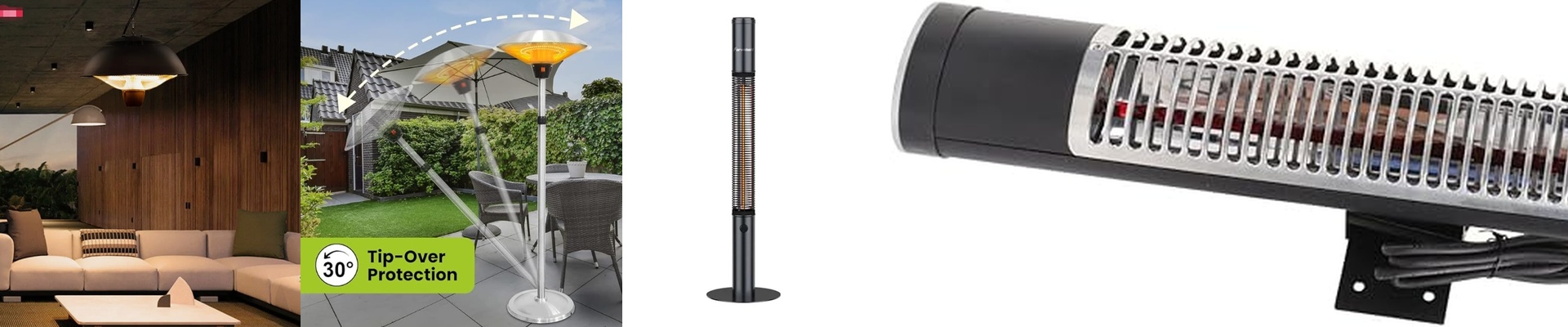
On the mosaic line, slow drying isn’t just a bottleneck—it eats throughput and invites cosmetic issues. Trapped moisture under the glaze holds air, shows up as haze, and hurts bond strength. Convection ovens struggle to keep up, and the kWh meters climb while minutes pile on, batch after batch. We built the mosaic drying lamp to run hard, heat fast, and keep energy use under control.
What matters under the hood
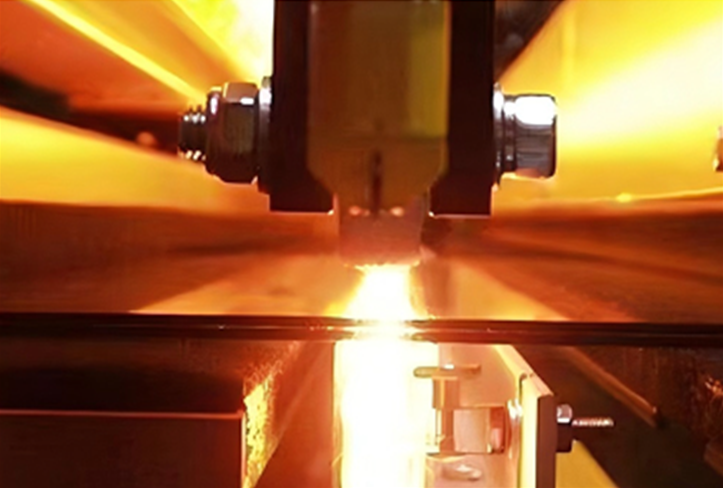
The system uses short-wave near-infrared (NIR) emitters in a compact quartz module, delivering high power density with millisecond response. Energy is concentrated where it’s needed, so you’re not wasting heat on belts, frames, and plant air. The spectral profile is tuned to match glaze and binder absorption, so heat penetrates quickly without scorching or thermal shock. The result is a repeatable thermal profile that dries evenly, cycle after cycle.
Why it fits mosaic work
You need speed without trading off quality. The lamp dries tiles in seconds instead of minutes, freeing the line for cutting, stacking, and inspection. Uniform heating cuts stress-induced micro-cracking and keeps edge quality consistent. Energy use drops because most of it goes straight into the glass, not the surrounding air. On high-volume lines, that means lower kWh, lower peak demand, and a smaller carbon footprint—without missing output targets.
What to watch on install and startup
Installation is straightforward on most conveyor widths, but your line layout still matters. Reflectors need to be aligned so irradiance stays even across the full tile width, and keep the emitters clean so output doesn’t drift. Operators need eye and skin protection around NIR exposure. Expect a short ramp-up to dial in the right speed-to-temperature balance for your specific glaze and adhesive system.